




Coin vs. Token: The Real Difference, and Why THEO Is Both
Coins and tokens aren't interchangeable words. Here's the real technical difference, why Autheo now describes native THEO as a coin, not just a token, and what THEO's new Robinhood Chain listing via Uniswap means for you.
Read more →
What Is Tokenization? A Plain-English Guide to Moving Stocks On-Chain
Tokenization puts a blockchain-based record around a real asset. Learn how stock tokens work, why they differ from crypto, and the two models in use today.
Read more →
What Happens to Your Crypto When the Exchange Goes Down?
FTX collapsed with over 1 million creditors and an $8 billion shortfall. Celsius froze withdrawals overnight. Mt. Gox lost 850,000 BTC. These aren't cautionary tales. They're a pattern, and the fix isn't a better exchange.
Read more →
THEO Token: What It Actually Does on the Autheo Network
Most crypto tokens are speculation vehicles. THEO is different. It's the fuel that powers every function on the Autheo network, from staking and compute to AI inference and decentralized identity.
Read more →
You've Been Renting Your Digital Life. Here's What Owning It Looks Like.
Your photos, documents, and social graph live on servers you don't control, under licenses that can be revoked overnight. Decentralized identity, storage, and compute are changing that, and Autheo is the infrastructure layer making it real.
Read more →
Why Owning a Node Is Different From Owning a Coin
Most people think of crypto ownership as holding tokens. But owning an Autheo validator node NFT is a fundamentally different kind of ownership. Here's what that actually means.
Read more →
Your Login Is Someone Else's Asset
Every time you click "Sign in with Google," you hand a third party a permanent record of where you go, what you do, and how often. They can revoke that access at any time. This post unpacks why identity-as-a-service became the internet's original sin, what self-sovereign identity actually means, and how TheoID is building the portable credential infrastructure to fix it.
Read more →
Why Your Files Are Hostages
A file is not really yours if it lives on someone else's server, gets subject to their terms-of-service changes, and disappears if the company is acquired or shuts down. From Photobucket's 2017 retroactive paywall to the quiet sunset of Google Stadia, centralized storage has a structural fragility problem. Here is what owner-controlled, redundant storage looks like, and why it matters.
Read more →
What Is Autheo? A Plain-English Guide to the Blockchain Built for the Real World
Autheo is a Layer-0 blockchain operating system, built as the foundation for apps, chains, and real-world enterprise use cases. It brings together native identity, on-chain compute, decentralized storage, multi-language development, and post-quantum security in one place. This guide explains what Autheo actually is and why it matters, in plain language, no prior crypto knowledge required.
Read more →
How to Build Developer Trust Before Your Launch: Open Source, Audits & Transparency
Developer communities don't give trust, they withhold it until you earn it. In Web3, where anyone can fork your code and anyone can drain your contracts, the bar for earning that trust is higher than in any other software ecosystem.
Read more →
Who Owns Your Digital Identity? Self-Sovereign ID, Explained
Your identity is scattered across corporate databases you don't control. Self-sovereign identity (SSI) hands ownership back to you — here's how it actually works.
Read more →
Game On: Why 2026 Might Be the Year Web3 Gaming Goes Mainstream
Web3 gaming has shed its "get-rich-quick" reputation and is quietly building something real, games you actually want to play, with items you actually own. Here's why 2026 could be the tipping point.
Read more →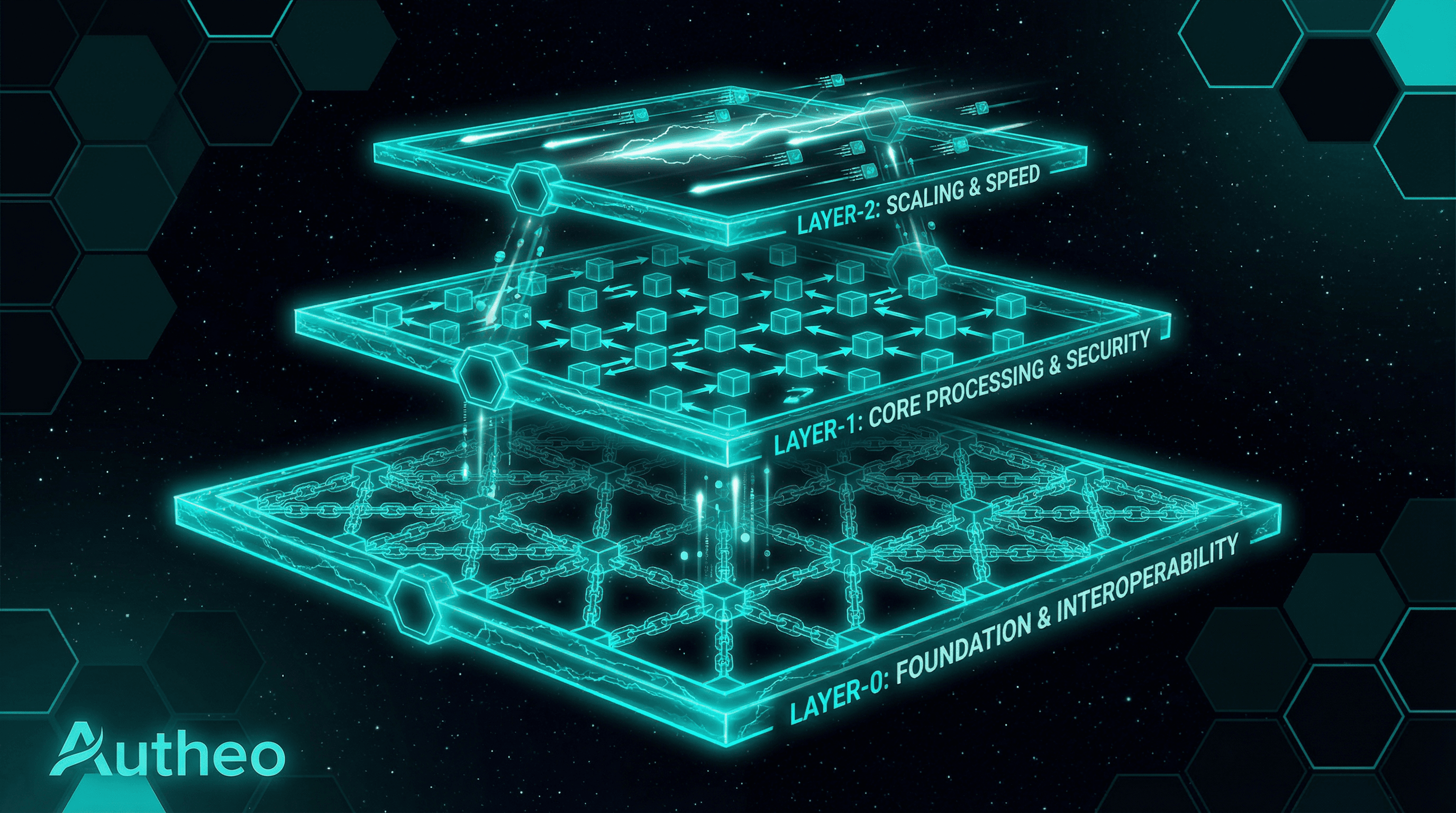
Layer-0 vs Layer-1 vs Layer-2: The Complete Comparison Guide
Layer-0 provides cross-chain interoperability infrastructure, Layer-1 is the core execution and settlement blockchain, and Layer-2 scales Layer-1 by processing transactions off-chain, understanding which layer solves your specific problem is the most important architectural decision in Web3 development.
Read more →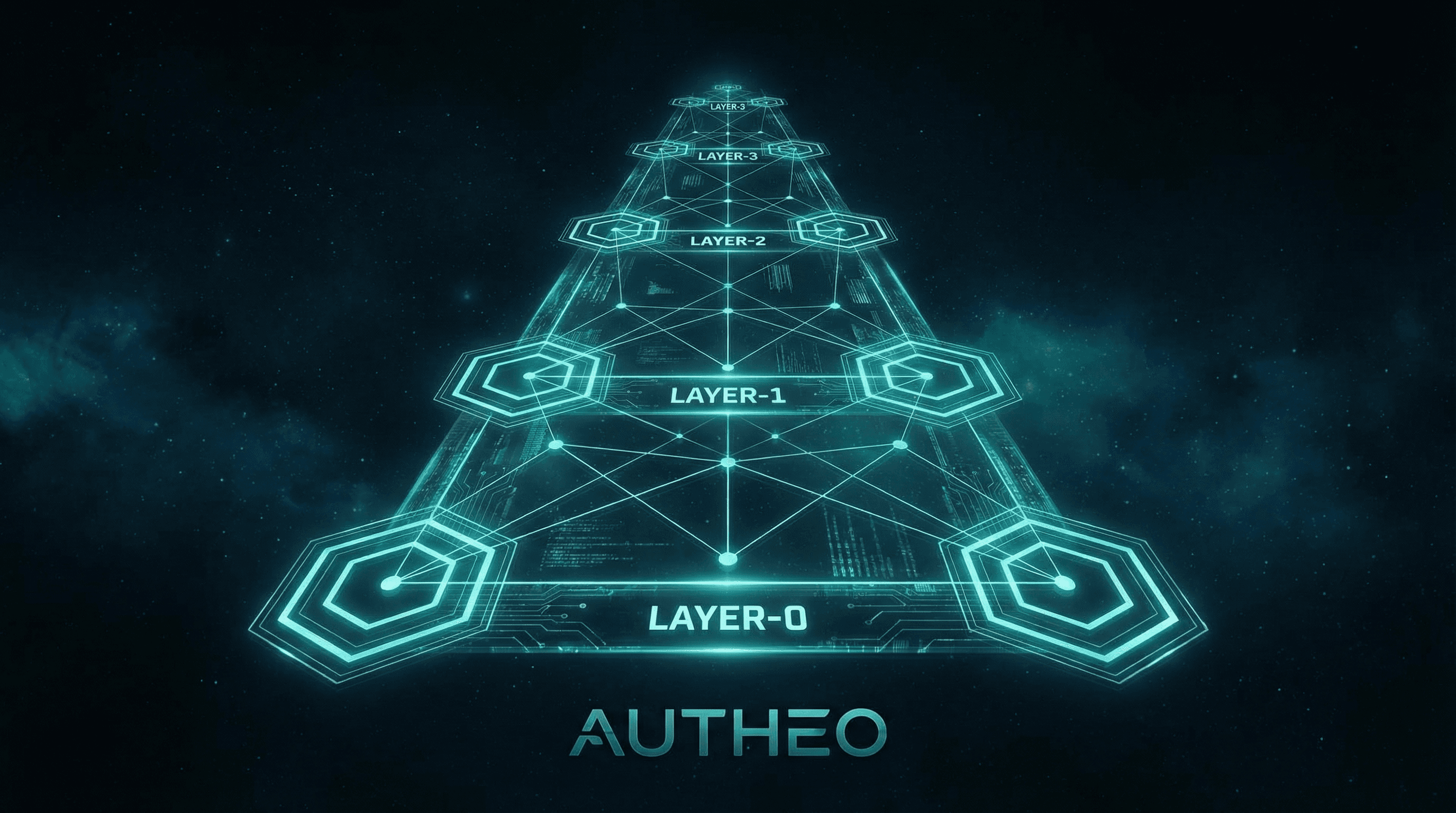
What Is a Layer-0 Blockchain? Everything You Need to Know
A Layer-0 blockchain is the foundational infrastructure layer that enables multiple independent blockchains to interoperate, exchange value, and share security, the TCP/IP of the blockchain world.
Read more →