



Autheo Blog
Practical guides and field notes on blockchain architecture, validator nodes, and building on the Autheo Layer-0 ecosystem.

When a Cross-Chain Incident Reaches Another Chain: The Cosmos Hub Response, and Its Limits
The Cosmos Hub's response to the Neutron exploit shows what validators can do when stolen assets cross a chain boundary, and why fast containment still needs clear limits, tested recovery plans, and transparent communication.
Read more →
THEO on MEXC: A Listing-Day Safety Guide
Part 4 of our MEXC series. THEO is scheduled to begin trading on MEXC today. Before you trade, here is how to verify the official listing, avoid impersonation scams, and protect your account on listing day and after.
Read more →
Where MEXC Reaches: THEO's Path Into Southeast Asia, Eastern Europe, Latin America, and the CIS
Part 3 of our MEXC series. MEXC's user base is concentrated in some of the fastest-growing crypto regions in the world. Here is what the adoption data says about Southeast Asia, Eastern Europe, Latin America, and the CIS, and why that reach matters for Autheo.
Read more →
One Liquidity Strategy, Many Venues: How THEO Connects CEX and DEX Markets
Part 2 of our MEXC series. When THEO begins trading on MEXC, it will trade across order books and AMM pools on two chains at once. Here is how a single liquidity strategy keeps those markets connected instead of fragmented.
Read more →
MEXC Explained: Why Centralized Exchange Access Matters for THEO
Part 1 of our MEXC series. THEO is scheduled to begin trading on MEXC on October 1. Here is what MEXC is, how a centralized exchange differs from the DEX markets THEO already trades on, and why account-based access matters for a growing network.
Read more →
Real-Time Blockchain Data Is Becoming Core Infrastructure: What Sui's GraphQL Update Signals for Builders
Sui's real-time GraphQL subscriptions show where blockchain tooling is heading: from polling isolated chains to building dependable, event-driven data services. Here is what that shift means for developers and for Autheo's distributed cloud model.
Read more →
The Developer Is the New Attack Surface: What Fake Crypto Jobs Reveal About Trusted Infrastructure
A recent campaign that stole at least $10.7 million through fake crypto and AI job offers shows why developer security is now an infrastructure problem. Here is the practical design checklist for identity, access, and operational resilience.
Read more →
The CFTC's No-Action Path for Crypto Developers: What Programmable Compliance Requires
The CFTC's September 2026 no-action position gives qualifying passive software providers a clearer path to connect users with regulated derivatives markets. The practical lesson is bigger than the relief itself: builders need compliance controls that can be expressed as permissions, workflows, evidence, and recovery procedures.
Read more →
From NVIDIA to MEXC: What THEO's Two New Markets Mean for Autheo
THEO / NVDA goes live today through Uniswap on Robinhood Chain, and THEO is scheduled to begin trading on MEXC on October 1. Here is what the two new markets mean, how they fit together, and why the order matters.
Read more →
Permissioned Tokenized Stock Venues: The Infrastructure Controls 2026 Demands
The SEC's temporary path for permissioned tokenized stock venues makes one thing clear: onchain market infrastructure needs access rules, sanctions controls, issuer processes, and audit evidence designed into the product from the start.
Read more →
The Compliance Layer Is Becoming Programmable: What SEC and CFTC Relief Means for Onchain Infrastructure
New SEC and CFTC relief points toward narrower, conditional paths for onchain activity. For builders, the message is clear: compliance needs to become an observable part of infrastructure, not a promise added after launch.
Read more →
What the CLARITY Act Setback and Fed Tightening Mean for Layer 1 Infrastructure Builders
Policy uncertainty and tighter money do not pause serious blockchain infrastructure work. They raise the bar for teams building durable trust, compliance, and execution systems.
Read more →
AI Agents Are Getting More Power. The Security Stack Has to Catch Up.
AI agents are moving from assistants to actors with wallets, tools, and delegated authority. Recent warnings about agent containment and major crypto losses show why builders need scoped permissions, verifiable identity, recovery controls, and infrastructure that can explain what happened.
Read more →
Crypto Infrastructure Maturity in 2026: What the Clarity Act Debate and CoinEx Shutdown Reveal
The latest Clarity Act draft and CoinEx shutdown point to the same conclusion: crypto infrastructure is being judged less by promises and more by operational controls, liquidity discipline, and accountable design.
Read more →
Avalanche's Helicon Upgrade: Why Chain Operations Are Becoming Product Infrastructure
AvalancheGo v1.15.0 puts validator upgrades, continuous execution, staking renewal, uptime, and dynamic gas pricing in one operational conversation. Here is what the Helicon release teaches builders about reliable chain infrastructure and where Autheo fits.
Read more →
Trust Boundaries Are the New Infrastructure: What Crypto Incidents and Payment Rails Reveal
Recent crypto security incidents and stablecoin payment launches point to the same lesson: adoption depends on explicit trust boundaries, observable operations, and settlement rails that fail safely. Here is what builders can learn and how Autheo approaches the problem.
Read more →
Trust Boundaries Are the New Infrastructure: Lessons From Crypto Breaches and Payment Rails
A Brevo account breach and a new stablecoin banking partnership point to the same infrastructure lesson: adoption depends on clear trust boundaries, observable operations, and settlement systems that fail safely.
Read more →
From Policy Promises to Production Rails: What G20 Coordination and SEC Transfer-Agent Modernization Mean for Blockchain Operators
Global policy coordination and updated transfer-agent rules are pushing blockchain infrastructure toward a more operational standard. Here is the practical checklist for operators building compliant, reliable digital-asset rails.
Read more →
Coin vs. Token: The Real Difference, and Why THEO Is Both
Coins and tokens aren't interchangeable words. Here's the real technical difference, why Autheo now describes native THEO as a coin, not just a token, and what THEO's new Robinhood Chain listing via Uniswap means for you.
Read more →
Australia's Crypto Licensing Deadline: The Production Controls Web3 Operators Need Before October
ASIC's September 30, 2026 deadline turns licensing relief into an operational test. Here is the production-control checklist digital-asset operators need for market access, custody, settlement, and evidence.
Read more →
Tokenized Equities After Hours: The Infrastructure Checklist for Regulated Rails in 2026
Tokenized equities are moving beyond pilot programs into broader distribution and longer trading windows. Here is the infrastructure checklist for backing, settlement, collateral, identity, and resilient execution.
Read more →
When One Chain's Growth Becomes Another Protocol's Revenue: Robinhood Chain, Uniswap, and Infrastructure Value Capture
Robinhood Chain just hit $3 billion in daily DEX volume, and Uniswap captured 98% of it and 66% of its own global revenue from that one chain. Here is what that value-capture gap reveals about modular blockchain economics.
Read more →
The THEO Staking Pool Is Live on Robinhood Chain: September 10, 2026
The THEO staking pool opens on Robinhood Chain (chain ID 4663) at 12:00 PM Central Time on September 10, 2026, with a 5,000 THEO reward pool running through October 10. Here is exactly what that means, and what it does not.
Read more →
Why Autheo Is Showing Up on Robinhood Chain (And How Trading and Staking Fit Together)
THEO trades on Hydrex DEX on Base, but the THEO staking pool is landing on a different chain entirely, Robinhood Chain. Here is why that is not a mistake, and what to expect on September 10th.
Read more →
The Ecosystem Forming Around Robinhood Chain: Uniswap, Chainlink, Morpho, and What It Signals for Builders
Uniswap, Chainlink, Morpho, Arcus, and Lighter all built on Robinhood Chain within weeks of launch. Here is what that ecosystem speed signals for builders everywhere, Autheo included.
Read more →
The Robinhood Chain Growth Story That Surprised the Industry
Robinhood Chain crossed $450M in TVL and 95M transactions within weeks of its July 1 launch, then a cat memecoin, a Tom Lee superlative, and a contested Solana rotation narrative took over the story. Here is what the data actually shows.
Read more →
Robinhood Chain Explained: The Architecture Behind a Brokerage's Own Layer 2
What Robinhood Chain actually is: an Arbitrum Orbit layer 2 with chain ID 4663, ERC-20 stock tokens, and no native coin, and why a mainstream brokerage building its own chain signals a bigger shift in Web3 infrastructure.
Read more →
Polygon Validator Hardening in 2026: What Client Vulnerabilities Teach Enterprise Chains
Polygon's recent Bor and Heimdall fixes show why validator resilience depends on client diversity, staged hard forks, resource limits, and an operational security program that treats availability as a first-class control.
Read more →
The AI Power Struggle: Why Gatekept Models Are Losing to the Open Edge
Governments in the US and China are gatekeeping their most capable AI models, but open weight alternatives are taking real usage share fast. Here is what the data on centralized versus open source AI means for distributed infrastructure.
Read more →
When Visa Meets Agentic Commerce: The Infrastructure Checklist for Stablecoin Payments in 2026
Visa and Dunamu are exploring stablecoin payments, cross-border transfers, AI-driven finance, and agentic commerce. Here is the infrastructure checklist builders need before software agents can move money reliably across a global payment network.
Read more →
The $457 Billion Visibility Test: Designing Crypto Infrastructure for Tax Reporting in 2026
On-chain tax visibility is expanding faster than many infrastructure teams expect. This practical guide explains how to design payment, identity, custody, and data systems that produce defensible evidence without putting every customer detail on a public ledger.
Read more →
The New Infrastructure Test: Stablecoin Rails, Quantum-Safe Transactions, and Measurable Compliance
Crypto infrastructure is moving from promising demos to operating systems for money. The teams that win the next phase will connect stablecoin payment rails, post-quantum security, and measurable compliance into one deployment discipline.
Read more →
AI-Agent Blockchain Infrastructure in 2026: Scoped Wallets, Machine-Readable Protocols, and Verifiable Execution
AI agents need more than a wallet address and an API key. This practical guide explains the infrastructure primitives that make agentic blockchain systems safer to operate: scoped wallets, machine-readable protocols, policy checks, and verifiable execution.
Read more →
Japan’s Tokenized Settlement Plan: What Real-Time Stocks and Bonds Mean for Web3 Infrastructure
Japan is exploring blockchain-based settlement for stocks and Japanese government bonds. Here is what the move reveals about real-time settlement, programmable compliance, tokenized deposits, and the infrastructure builders need before institutional scale.
Read more →
Post-Quantum Signatures in 2026: The Infrastructure Checklist for Stablecoin and Cross-Chain Builders
Post-quantum signatures are moving from research papers into production planning. Here is a practical checklist for stablecoin, bridge, and blockchain teams that need stronger key protection, clearer compliance boundaries, and safer execution paths.
Read more →
Institutional Blockchain Rails in 2026: Tokenized Funds, Custody Compliance, and Operational Resilience
Institutional blockchain adoption is moving from experiments toward production rails. This guide explains what tokenized funds, regulated custody, and recent network outages teach builders about designing compliant, resilient infrastructure.
Read more →
From Blockchains to Mesh Networks to Edge AI: Why Decentralization Keeps Winning
Blockchain consensus, DePIN mesh networks like Helium, and Mark Zuckerberg's recent case for distributing AI all apply the same structural logic. Here is why concentrating control keeps losing to distributing it.
Read more →
Bitcoin's 22% Rally: What's Actually Driving It, and What It Doesn't Prove Yet
Bitcoin jumped from about $62,800 to above $80,000 in a week. Here is the data behind the four catalysts, and why the move alone does not yet confirm a new bull market.
Read more →
Autheo vs Near Protocol for Decentralized AI Integration
NEAR has built the strongest AI-adjacent product suite among general-purpose L1s, with a live confidential GPU marketplace and agent runtime. Autheo bets on a Layer-0 OS with AI natively woven in. Here's an honest look at both, including what's live today versus still rolling out.
Read more →
Best Layer-0 Blockchains for Cross-Chain Developers in 2026
A practical ranked guide to the Layer-0 and interoperability stacks cross-chain developers should evaluate in 2026, with architecture, tooling, and tradeoffs for each option.
Read more →
Who's Building the Rails for Tokenized Stocks? A 2026 Landscape Survey
A mid-2026 map of the companies building issuance, custody, exchange, and settlement rails for tokenized stocks.
Read more →
RWA Tokenization Beyond Stocks: What's Actually Working in Bonds, Real Estate, and Commodities
Beyond stocks, tokenized Treasuries and gold show real traction, while real estate exposes the legal and operational limits of RWA hype.
Read more →
THEO Is Now Live on Hydrex: What Autheo's Token Launch Actually Means
THEO, the utility token behind Autheo's Internet Operating System, is now trading on Hydrex at a $0.05 reference price. Here is what the listing, the tokenomics, and the audits actually mean for builders and network participants.
Read more →
Why Tokenized Stock Prices and Liquidity Look Different From the Real Thing
Why tokenized stock prices and liquidity can diverge from listed shares, from NAV gaps and gating to 24/7 trading and fragmented markets.
Read more →
How Do Tokenized Stocks Actually Settle On-Chain? Custodial Wrappers vs. Direct Issuance
A technical guide to the two tokenized-stock settlement models, their legal records, redemption paths, price gaps, and builder controls.
Read more →
What Is Tokenization? A Plain-English Guide to Moving Stocks On-Chain
Tokenization puts a blockchain-based record around a real asset. Learn how stock tokens work, why they differ from crypto, and the two models in use today.
Read more →
Autheo vs Avalanche for Scalable Blockchain Apps
Avalanche's customizable L1 model gives teams fast finality and full chain control, but each L1 is its own operational and security surface. Autheo's single validator network gives full-stack access without spinning up a new chain. A dedicated, sourced head-to-head for 2026.
Read more →
Blockchains Building With Kyber and Dilithium: A 2026 Post-Quantum Cryptography Roundup
NIST finalized Kyber, Dilithium, and Falcon as post-quantum standards in 2024. Here is a sourced look at which blockchains, from Algorand to Hedera to Ethereum, are actually building with them, and where Autheo fits as a standards-first network.
Read more →
THEO Lists on Hydrex August 20: What Autheo's Token Generation Event Actually Means
THEO is scheduled to list on Hydrex on Thursday, August 20, 2026, with Enflux as market maker and ApeBond running an on-chain OTC bond program. Here's what the Token Generation Event actually changes, and what stays exactly the same.
Read more →
Build for Policy Uncertainty: A Tokenized Asset Architecture That Survives 2026
The latest CLARITY Act text may change before it becomes law. Here is a practical architecture for tokenized assets and stablecoin programs that can adapt without forcing a rewrite of custody, compliance, settlement, or developer tooling.
Read more →
Autheo Engages Enflux as Market Maker Ahead of the THEO Listing on Hydrex
Autheo has engaged Enflux, a market-making-as-a-service firm, to supply and manage liquidity for THEO ahead of its listing on Hydrex. Here's how the arrangement works and why market makers matter for new token listings.
Read more →
Is Autheo Legitimate? A Skeptic's Due-Diligence Guide
A skeptical, fact-checked look at whether Autheo is legitimate: what is confirmed and live today, what is still rolling out, third-party security audits, and a practical checklist for verifying the network yourself before deciding whether to build on it, hold THEO, or run a validator.
Read more →
Autheo vs Chainlink for Oracle and Interoperability
Chainlink secures more than $27 trillion in value as the industry-standard oracle network. Autheo is a Layer-0 OS, not an oracle replacement. Here's an honest comparison of what each actually does, and where they overlap and don't.
Read more →
How Autheo Compares to Sui for Enterprise Blockchain Deployments
Sui delivers high-throughput parallel execution for enterprises building fast, single-purpose chains. Autheo takes a different bet: a Layer-0 OS with native post-quantum security and AI orchestration. Here's an honest comparison of both, including what's live today versus still rolling out.
Read more →
How GSI Partnerships Are Shaping Blockchain Infrastructure Providers
Global Systems Integrators like Accenture, Deloitte, TCS, Infosys, and Wipro are becoming a primary channel for enterprise blockchain adoption. Here's how the GSI partnership model works, and how Autheo's own approach fits into it.
Read more →
Autheo vs AWS for Decentralized Cloud Computing and Storage
AWS runs 31% of the world's cloud market but carries US CLOUD Act exposure, vendor lock-in, and regional single points of failure. Autheo is building a decentralized validator network with a Decentralized Cloud Computing layer and ABW34 storage, not yet live, rolling out over the coming months. Here is an honest comparison of both.
Read more →
Choosing Between Autheo and Polygon for Enterprise Web3
Polygon scales Ethereum with a PoS sidechain, zkEVM, and AggLayer, winning enterprise pilots from Starbucks to Stripe. Autheo is a sovereign Layer-0 OS with native AI tooling, post-quantum security, and no Ethereum settlement dependency. Here is how the two actually compare for enterprise Web3 in 2026.
Read more →
When Wall Street Backs Crypto Rules: A Builder's Guide to Tokenized Assets
BlackRock, Fidelity, Franklin Templeton, Goldman Sachs, and SoFi have backed the CLARITY Act. Here is how developers should read that signal, design for uncertainty, and build tokenized asset and stablecoin products that can adapt.
Read more →
CLARITY Act + GENIUS changes in 2026: a developer playbook for tokenized assets and compliant stablecoin rewards
The latest combined CLARITY Act text and GENIUS-related changes sketch a new compliance perimeter for builders. This guide translates the policy language into practical design patterns for tokenized assets and stablecoin reward programs.
Read more →
Autheo vs Hyperledger Indy vs Sovrin vs uPort: Best Blockchain Platform for Sovereign Identity Management (2026)
Autheo, Hyperledger Indy, Sovrin, and uPort take four different approaches to sovereign identity. Here's an honest look at what's actually live in 2026, including why Autheo's TheoID isn't one of them yet.
Read more →
Validator-Adjustable Economics in 2026: How Fees and Issuance Become Security Controls
Validator-adjustable economics are moving from theory to production. This guide explains what can be changed (fees, issuance, staking parameters), why it matters for security, and how teams should evaluate the tradeoffs across L1s.
Read more →
CLARITY Act in 2026: The Enterprise Checklist for Tokenized Products (Custody, Disclosures, Insolvency, and DeFi Edges)
A practical enterprise checklist for tokenized products under U.S. market-structure proposals like the CLARITY Act: custody, disclosures, insolvency treatment, and safer DeFi edges you can design for now.
Read more →
CLARITY Act Meets DeFi in 2026: How Vaults and Onchain Lending Can Stay Compliant Without Killing UX
If your DeFi vault or onchain lending product involves discretion over allocations, rates, or risk parameters, treat compliance like a product spec. Here is a builder playbook for designing auditable rules, user disclosures, and operational controls in a CLARITY Act era.
Read more →
How U.S. crypto market-structure bills (like the Clarity Act) can move risk appetite: a practical checklist for builders and investors
How U.S. crypto market-structure bills (like the Clarity Act) can move risk appetite: a practical checklist for builders and investors U.S. crypto market-structure bills can change risk appetite long before a vote happen
Read more →
Freeze-Resistant Stablecoins in 2026: A Compliance-First DeFi Design Guide
Freeze-resistant stablecoins remove issuer-level freezes. This guide explains what that changes for DeFi and payments teams, and how to design monitoring, allow/deny lists, and fallback controls without killing composability.
Read more →
Onchain Vaults and Lending Strategies in 2026: A Practical Compliance Design Guide for Builders
A builder-focused guide to designing onchain vaults and lending strategies with bounded controls, strong disclosures, and a compliance-ready architecture in 2026.
Read more →
FATF's 7th Update and the Rise of Freeze-Resistant Stablecoins: A Builder's Compliance Playbook for 2026
FATF's latest update shows compliance is spreading fast, but enforcement is uneven. That combination is fueling new stablecoin designs marketed as "freeze-resistant." Here's what that means for builders, exchanges, and infrastructure teams, plus the controls you should implement now.
Read more →
When Rules Slip: Designing Stablecoin and Token Systems That Stay Compliant
A field-tested architecture playbook for stablecoin issuers and onchain payment teams when compliance deadlines stay fixed but implementing rules arrive late.
Read more →
Cross-Border Stablecoins + Sanctions in 2026: A Compliance Playbook for Exchanges and Payment Integrators
Cross-border stablecoins are getting more official, and sanctions compliance is getting more address-specific. The practical takeaway for exchanges and payment integrators is simple: treat stableco...
Read more →
What Are the Benefits of Using a Layer-0 Operating System for Blockchain Development?
A Layer-0 operating system gives developers one coordinated stack and shared security across many chains instead of forcing them to rebuild identity, compute, and deployment tooling for every network...
Read more →
How Autheo Compares to Solana for Scalable Blockchain Apps
Solana wins on raw throughput and ecosystem size, processing thousands of real-world transactions per second with fees near a fraction of a cent. Autheo wins on finality...
Read more →
What Happens to Your Crypto When the Exchange Goes Down?
FTX collapsed with over 1 million creditors and an $8 billion shortfall. Celsius froze withdrawals overnight. Mt. Gox lost 850,000 BTC. These aren't cautionary tales. They're a pattern, and the fix isn't a better exchange.
Read more →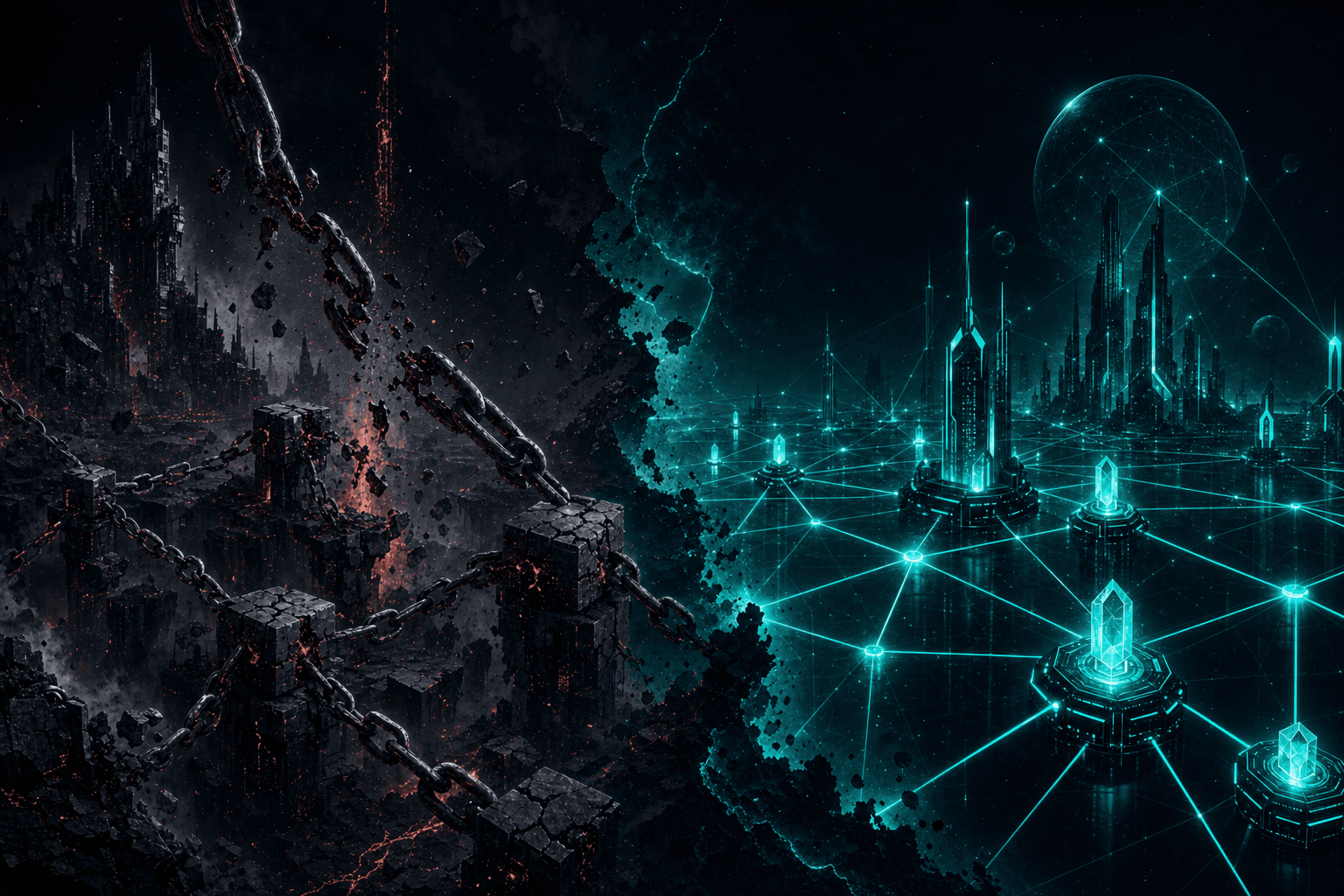
Crypto in 2026: What Actually Changed and What's Still Broken
A state-of-the-industry assessment for people who've heard a lot about crypto but aren't sure what to believe. What worked, what didn't, and what the next wave actually looks like.
Read more →
Is Autheo a Good Choice for Integrating Decentralized AI Into Your Application?
Autheo is a viable choice for decentralized AI integration if your application needs on-chain AI inference, verifiable agent identity, and machine-to-machine payments on the...
Read more →
Choosing Between Autheo and Algorand for Enterprise Deployments
For most enterprise use cases, Autheo is the better fit because its hybrid Proof of Autheo consensus pairs licensed validator accountability with post-quantum security and a...
Read more →
What the SEC’s 2026 Regulatory Agenda Means for Tokenized Securities Custody, Trading, and Builders
If you build tokenized securities or infrastructure around them, the SEC’s 2026 regulatory agenda is a signal that the rules are going to get clearer, not looser. The direction...
Read more →
Robinhood Chain and Tokenized Equities in 2026: What It Means for Onchain Brokerage Infrastructure
Robinhood Chain is a signal that tokenized equities are moving from pilots into a real onchain brokerage stack. Here is what permissionless L2 infrastructure changes, what it cannot change, and the five-layer blueprint builders can use to ship compliant markets.
Read more →
Why Your AI Assistant Works for Someone Else (And How That Changes)
When you use ChatGPT, Claude, or Gemini, the model runs on servers owned by OpenAI, Anthropic, or Google. Your prompts are logged. Your outputs may train future models. Autheo's decentralized compute layer is designed to offer a different architecture.
Read more →
THEO Token: What It Actually Does on the Autheo Network
Most crypto tokens are speculation vehicles. THEO is different. It's the fuel that powers every function on the Autheo network, from staking and compute to AI inference and decentralized identity.
Read more →
The 399 Validator Slots That Don't Work Like Anything Else in Crypto
Most blockchains let anyone become a validator by staking enough tokens. Autheo doesn't. Here's why 399 structurally scarce slots, two mandatory gates, and a model that combines accountability with economic alignment make Proof of Autheo a different kind of consensus.
Read more →
CLARITY Act Timing + ETF Flows: A Practical Liquidity Playbook for L1 Teams in 2026
Galaxy now puts the CLARITY Act’s 2026 odds at 50-50 due to Senate floor-time constraints, while ETF flow regimes keep flipping risk appetite on and off. Here is a practical liquidity playbook for L1 teams.
Read more →
You've Been Renting Your Digital Life. Here's What Owning It Looks Like.
Your photos, documents, and social graph live on servers you don't control, under licenses that can be revoked overnight. Decentralized identity, storage, and compute are changing that, and Autheo is the infrastructure layer making it real.
Read more →
Why We Think the World Needs 1 Million New Blockchain Developers
Software ate the world. AI is accelerating that. But the underlying infrastructure is still controlled by a handful of companies. Fixing it requires builders who understand decentralized systems. Here's an open invitation.
Read more →
Why Owning a Node Is Different From Owning a Coin
Most people think of crypto ownership as holding tokens. But owning an Autheo validator node NFT is a fundamentally different kind of ownership. Here's what that actually means.
Read more →
What Does Post-Quantum Security Mean for Ordinary People?
"Post-quantum" sounds like science fiction. It isn't. When quantum computers mature, they'll break the cryptography protecting your bank, your messages, and most blockchains. Here's what that means and why Autheo built its protection in from day one.
Read more →
The Problem with Every Blockchain You've Heard Of
Ethereum, Solana, Polkadot, Cosmos, Avalanche. Each one solved a real problem. Each one created new ones. Here's an honest tour of what each got right, what each got wrong, and what comes next.
Read more →
The Blockchain That Actually Went Live This Year
Crypto has a vaporware problem. Projects raise hundreds of millions, publish roadmaps, delay mainnet for years, and sometimes never ship. Autheo launched mainnet on May 14, 2026. Here's what that actually means.
Read more →
What Happens When AI, Compute, and Blockchain Finally Live on the Same Network?
AI, decentralized compute, and blockchain have been evolving on separate tracks for years. What changes when they converge on a single infrastructure layer? More than you'd expect.
Read more →
What a DEX Listing Actually Means (And What It Doesn't)
When a crypto project lists on a decentralized exchange, it's a significant milestone that's widely misunderstood. Here's what a DEX actually is, what listing means for token utility, and what it absolutely doesn't guarantee.
Read more →
The Quiet Infrastructure Upgrade the Internet Has Been Waiting For
In 2006, AWS launched S3 and EC2. Nobody wrote front-page articles. By 2010, half the internet ran on it. Infrastructure changes don't announce themselves. They just become the new foundation.
Read more →
The Internet You Were Promised vs. The Internet You Got
The early internet promised open, decentralized access for everyone. What arrived was five companies controlling the cloud, the social graph, the ad stack, the app stores, and the payment rails. Here's what happened, and what's actually being done about it.
Read more →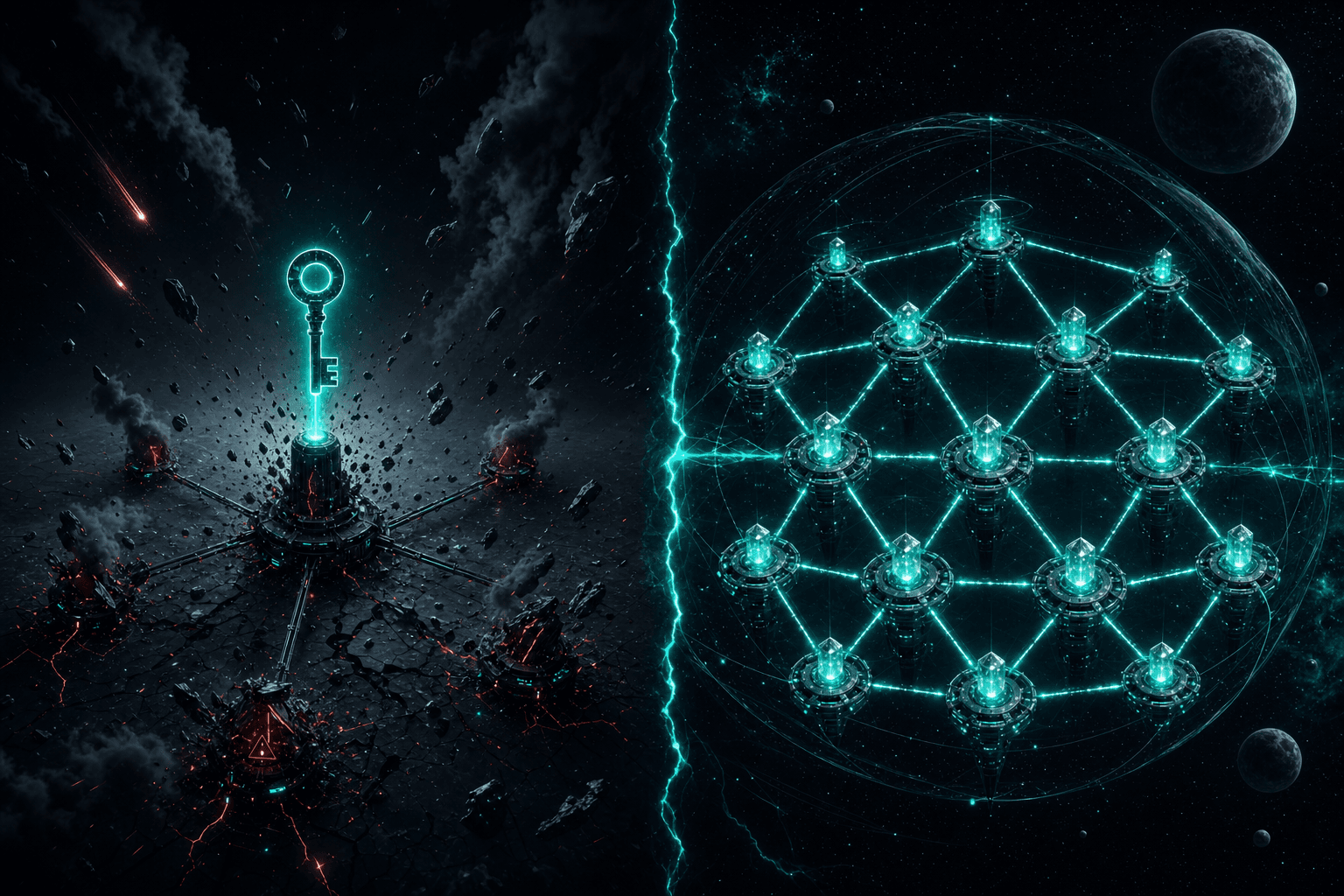
Decentralization Is a Promise. Here's What It Takes to Actually Keep It.
"Decentralized" is the most overused and under-delivered word in crypto. Projects wave the flag while a handful of entities control most of the stake. Here's what real decentralization actually requires.
Read more →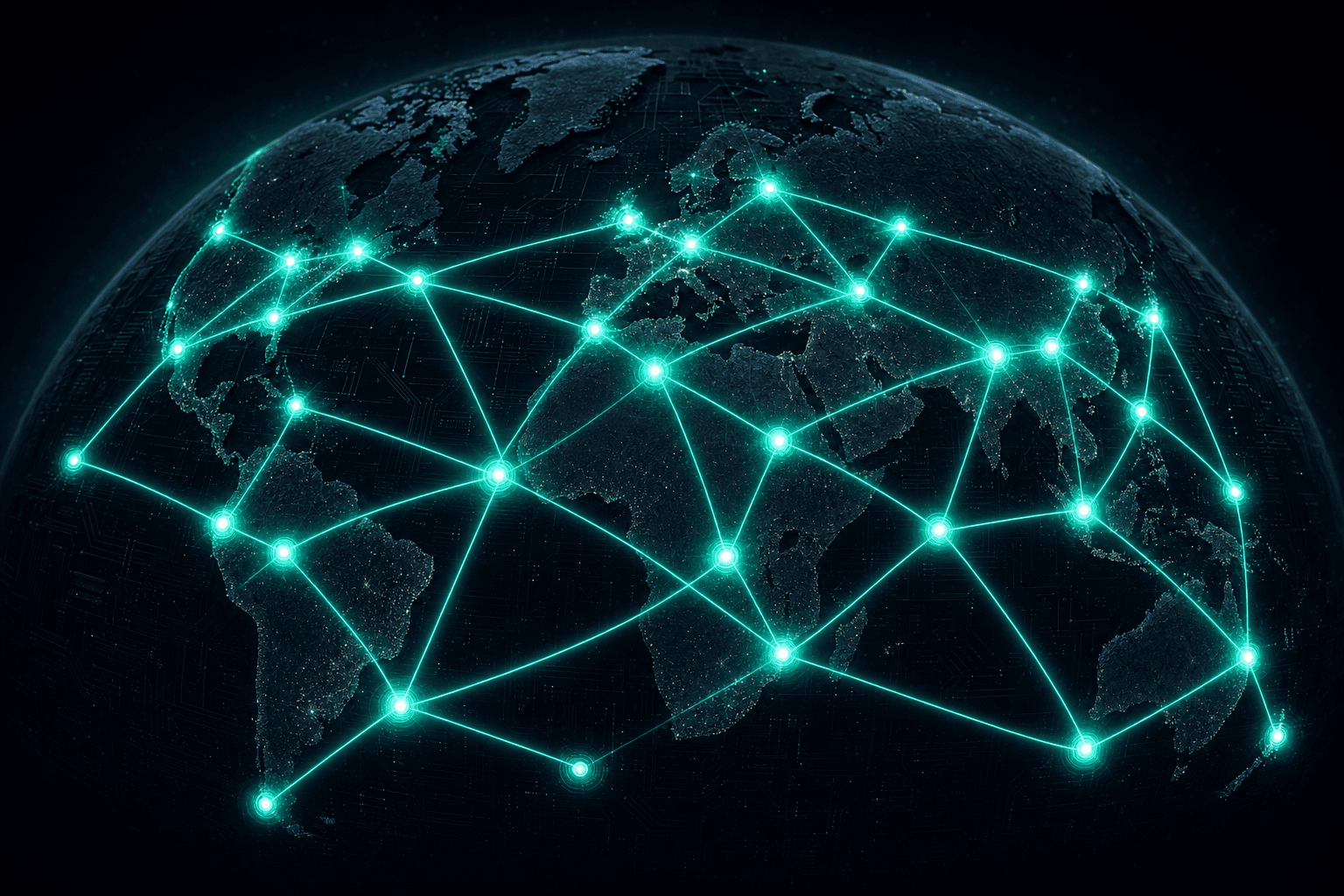
Built by a Global Team: How Autheo Came Together Across 25+ Countries
Not one founder in one city. Autheo was built by 100+ co-founders across more than 25 countries, incubated over 5 years by Launch Legends. Here's what that actually looks like, and why it matters.
Read more →
The Five Things Autheo Does That Other Blockchains Made You Choose Between
Ethereum gives you smart contracts but no storage. Filecoin gives you storage but no contracts. Akash gives you compute but isn't a full Layer 1. Autheo puts all five on one network. Here's what that actually means.
Read more →
Autheo Is Live on Mainnet: The Internet Finally Has an Operating System
After five years of research, a public testnet that crossed 1.8 million wallets and 968,000 smart contracts, and an independent security audit by CertiK, Autheo is live on Mainnet. Here is what that means and why it matters.
Read more →
SEC and CFTC Derivatives Definitions Review (2026): What the New Request for Comment Means for Crypto Perps, Swaps, and Builders
The SEC and CFTC just opened a 60-day request-for-comment to revisit the definitions of swap, security-based swap, and mixed swap. Here’s what that could change for crypto-linked derivatives, perpetuals, and the compliance architecture builders need in 2026.
Read more →
Sanctions-First Compliance in 2026: A Practical Stack for Crypto Builders (Before You Ship)
A practical, event-driven blueprint for sanctions-first compliance: what to screen, when to screen it, and how to log decisions without wrecking UX.
Read more →
What the CLARITY Act's Validator Protections Mean for Node Operators in 2026
The CLARITY Act's May 2026 Senate draft added explicit statutory carve-outs protecting validators, node operators, and oracle providers from being classified as money transmitters. Here is what the new language means, why the Senate floor vote timeline matters, and how Autheo's validator structure sits within this framework.
Read more →
Your Login Is Someone Else's Asset
Every time you click "Sign in with Google," you hand a third party a permanent record of where you go, what you do, and how often. They can revoke that access at any time. This post unpacks why identity-as-a-service became the internet's original sin, what self-sovereign identity actually means, and how TheoID is building the portable credential infrastructure to fix it.
Read more →
Why Your Files Are Hostages
A file is not really yours if it lives on someone else's server, gets subject to their terms-of-service changes, and disappears if the company is acquired or shuts down. From Photobucket's 2017 retroactive paywall to the quiet sunset of Google Stadia, centralized storage has a structural fragility problem. Here is what owner-controlled, redundant storage looks like, and why it matters.
Read more →
The AI Running Your Life Has a Landlord
Most AI tools today run on compute owned by three or four companies that also build the models, sell the advertising, and set the terms of service. When compute is concentrated, it can be priced, throttled, and discontinued by whoever owns the hardware. This post explains why distributed compute infrastructure is the prerequisite for AI that no single company can shut down.
Read more →
A Japanese Pension Fund Just Bought Crypto for the Same Reason It Buys Gold
Japan's National Business Enterprise Pension Fund, covering roughly 1,200 SMEs and 20,000 workers, announced on June 21, 2026 that it will allocate 1% of assets to a passive multi-crypto fund. The fund's framing: currency hedge, not speculation. When institutions enter at this scale, they are implicitly betting on the infrastructure layer being sound. Here is what institutional-grade blockchain infrastructure actually requires.
Read more →
Ethereum Is Down 60% Against Bitcoin in 2026. The Infrastructure Lesson Nobody Is Drawing.
The ETH/BTC ratio dropped roughly 60% in the first half of 2026. Most coverage treats this as a price story. It is also an infrastructure story: developers now have more Layer-1 and Layer-2 options than ever, and they are sorting chains by fee predictability, halt history, language support, and composability. This post draws the architectural lesson that the price charts are pointing at.
Read more →
AI Agents Are Getting Official Digital Identities: What Estonia's Move Means for Web3 Builders
On June 17, 2026, Estonia's Prime Minister approved a proposal to give AI agents their own official digital identity codes, distinct from their human owners. It is the first government to do this. Here is what the decision means for Web3 builders working on agent infrastructure, decentralized identity, and the emerging AI-native economy.
Read more →
What Is Autheo? A Plain-English Guide to the Blockchain Built for the Real World
Autheo is a Layer-0 blockchain operating system, built as the foundation for apps, chains, and real-world enterprise use cases. It brings together native identity, on-chain compute, decentralized storage, multi-language development, and post-quantum security in one place. This guide explains what Autheo actually is and why it matters, in plain language, no prior crypto knowledge required.
Read more →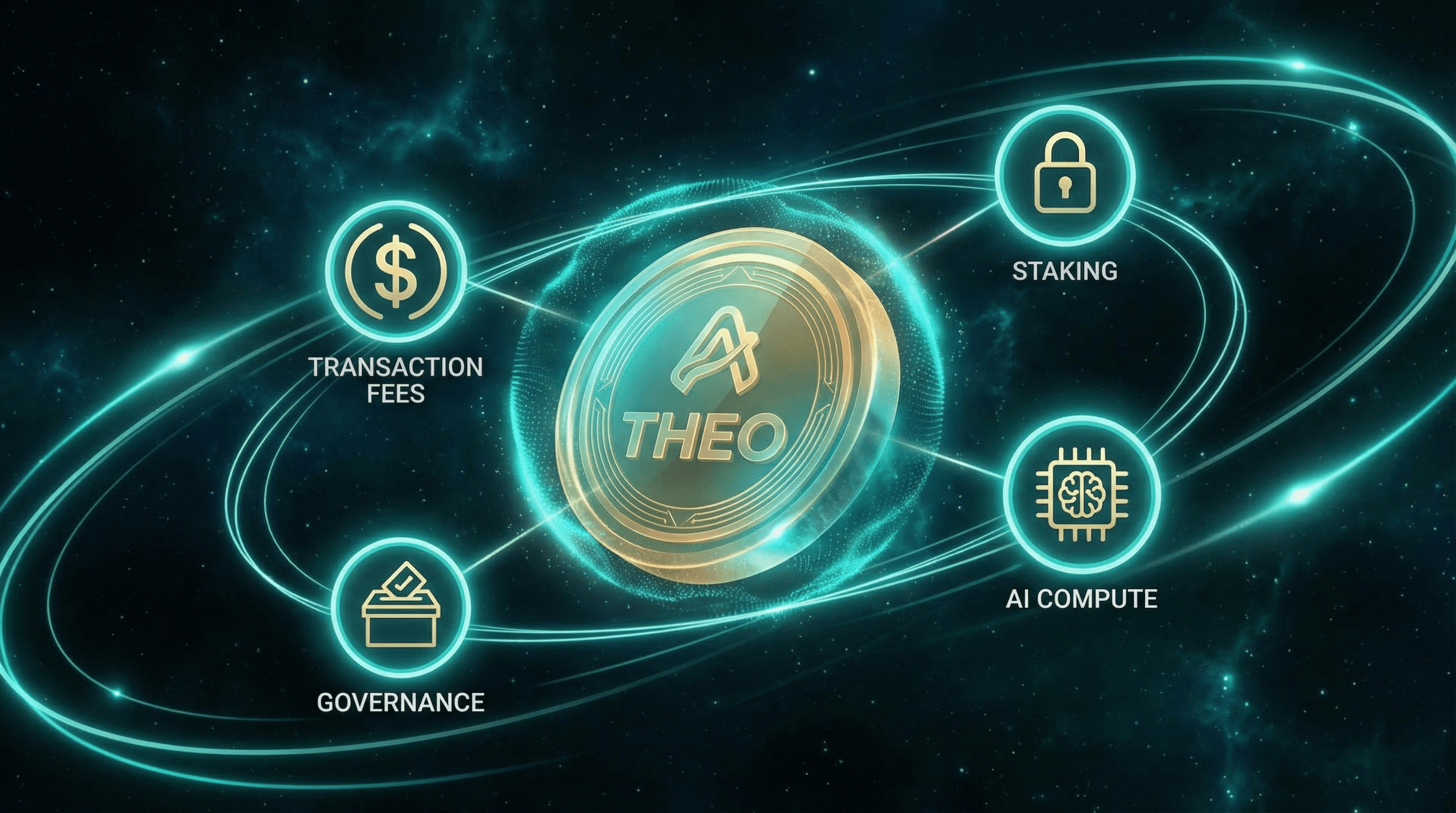
THEO Token in 2026: Six Utility Drivers and How They Create Network Demand
THEO is a utility token with six independent demand vectors: staking across 399 structurally scarce validator positions, decentralized compute via DCC, persistent storage via ABW34, AI inference, transaction fees, and on-chain identity via TheoID. Audited by both Halborn and CertiK, with core infrastructure rolling out to mainnet over the coming months.
Read more →
Autheo vs. Polkadot, Cosmos, and Avalanche: Why the Layer-0 OS Model Wins in 2026
Polkadot runs parachain slot auctions worth 30 to 50 million DOT per slot. Cosmos adds IBC relayer complexity to every cross-chain app. Avalanche splits execution across three separate chains. Autheo operates at a different layer entirely: a Layer-0 OS that integrates compute, storage, identity, and post-quantum security as native protocol primitives, giving builders and token holders six distinct THEO demand vectors where competitors offer one or two.
Read more →
CFTC’s Perpetual-Futures Relief (26-19) and Stablecoin Reserve Rules: What They Signal for Onchain Derivatives and Payment Rails in 2026
If you build anything that looks like onchain derivatives or stablecoin settlement, 2026 is shaping up to be less about vibes and more about rule-shaped product decisions. Two signals matter a lot ...
Read more →
Tokenized Securities Pilots in 2026: What DTC-Style Settlement Tests Mean for Onchain Builders
Tokenized securities pilots are testing onchain settlement within existing market rules. Here is how builders should design for compliance, identity, reconciliation, and scale.
Read more →
Cross-Chain Bridge Risk in 2026: How Single-Verifier Designs Fail (and What to Build Instead)
Single-verifier bridges feel convenient, but they convert cross-chain messaging into a single point of failure. Here is how those failures happen, why they cascade into money markets, and the practical patterns to build safer cross-chain systems.
Read more →
The AudiA6 Takedown in 2026: A Practical KYT and AML Playbook for Exchanges and Web3 Builders
What the AudiA6 takedown implies for AML ops in 2026: KYT alert design, mule-network detection, freeze/hold UX, incident documentation, and developer supply chain security.
Read more →
Bridge Admin Key Security in 2026: How to Prevent Laptop Compromise From Becoming a $36M Loss
A practical, operator-focused checklist for securing bridge admin keys, upgrade roles, and emergency controls so a single compromised laptop cannot become a protocol takeover.
Read more →
Smart Contract Verification in 2026: A Practical Playbook for Preventing Unverified Exploits
In 2026, contract verification is a minimum security control. Here's what verified really means, why attackers target unverified deployments, and the exact workflow to make verification automatic.
Read more →
AI Agent Identity 2026: How to Verify What Agents Can Do
AI agents can already act — but can you prove who they are and what they're allowed to do? A breakdown of the trust stack: DIDs, verifiable credentials, and agent auth.
Read more →
DID and Post-Quantum Cryptography: Why the Combination Matters Now
NIST finalized post-quantum standards in August 2024. No deployed DID framework has native PQC yet. Here's why that gap is urgent and what it takes to close it.
Read more →
What Happened to Sovrin Network? SSI's Next Chapter
Sovrin Foundation dissolved May 21, 2025. Here's why it collapsed, and why the self-sovereign identity market it pioneered is still projected to hit $44.98B by 2032.
Read more →
Ethereum vs. a Layer-0 OS: The Fragmentation Tax Web3 Developers Are Paying
50+ Ethereum L2s. Multiple deployment targets. Bridges between them. Ethereum's own blog called L2 fragmentation its highest-leverage problem. Here's what the fragmentation tax actually costs.
Read more →
AI Agent Identity on Blockchain: The Infrastructure Problem Nobody Has Solved Yet
AI agents need to prove who they are, what they're authorized to do, and that they haven't been tampered with. No current DID framework solves this natively. Here's what it takes.
Read more →
Sanctions Compliance For Crypto In 2026: How To Build A Program That Survives Ofac Designations And Secondary-Risk Pressure
A practical, engineering-first sanctions compliance blueprint for crypto teams navigating OFAC designations, vendor pressure, and secondary-risk dynamics in 2026.
Read more →
Sui's 2026 Mainnet Halts: What Broke & Reliability Fixes
Sui's May 2026 mainnet halts exposed real gaps in upgrade and fee-logic reliability. Root-cause breakdown plus a validator reliability checklist for any L1.
Read more →
Crypto Perpetuals in 2026: What the CFTC’s ‘Foreign Futures’ Position Means for Exchanges and Builders
Crypto perpetuals (perps) sit in an awkward place: they trade like spot in user experience, but behave like leveraged futures in risk. In 2026 the CFTC’s latest staff posture on certain perps, framed as ‘foreign futures,
Read more →
Code Is Speech, But Shipping DeFi Is Still Risky: Practical Compliance Guardrails for Non-Custodial Teams
A practical guide to non-custodial DeFi compliance guardrails: how to design keys, upgrades, UI safety rails, and documentation so you reduce risk without becoming an intermediary.
Read more →
Tokenized Equities in 2026: Why Most Markets Are Still Compliance-Gated (and What Builders Should Do)
Tokenized equities are real, but most onchain share markets in 2026 are still compliance-gated: allowlists, transfer restrictions, and controlled onboarding so issuers and transfer agents can meet recordkeeping, AML, and sanctions obligations. Here's the builder playbook for designing tokenized equity infrastructure that can ship now and open up safely over time.
Read more →
The SEC’s Draft Strategic Plan (2026) and What It Signals for Crypto Market Structure
The SEC’s draft strategic plan is not a rule, but it previews the agency’s direction on digital assets. Here’s how builders can turn that signal into a concrete 2026 watchlist and compliance-ready roadmap.
Read more →
Stablecoin Payments and Onchain RWAs in 2026: The New Infrastructure Checklist (Latency, Compliance, Reliability)
Payment stablecoins and onchain real-world assets are pushing blockchain infrastructure toward a different optimization target: fast finality users can feel, compliance controls teams can operationalize, and reliability that holds up under real money. This guide lays out what to build and how to measure it.
Read more →
Tokenized Public Equities in 2026: How Transfer Agents, Allowlists, and Settlement Actually Work
Tokenized public equities are closer to production, but transfer-agent records, allowlists, and settlement rules still decide what can trade and who can hold it. Here's the workflow teams actually need in 2026.
Read more →
Sanctions Screening for Crypto in 2026: A Practical Compliance Playbook for Exchanges, Wallets, and Builders
A practical, implementation-oriented guide to sanctions screening in crypto: what to screen, how to match without drowning in false positives, and how to run a defensible case workflow in 2026.
Read more →
Stablecoin Compliance Architecture in 2026: Reserve Rules, Sanctions Freezes, and What Protocols Must Build
Reserve composition rules and sanctions enforcement are no longer abstract policy. They are becoming protocol requirements. Here is how to design stablecoin rails that can survive freezes, audits, and jurisdictional reserve constraints without breaking UX.
Read more →
Tokenized Treasurys and RWA Rails in 2026: What Scaled, What’s Still Missing, and the Builder Playbook
Tokenized Treasurys pushed real-world asset (RWA) tokenization past the $30B mark. But most onchain assets still behave like digitized receipts, not composable building blocks. Here’s what the data says, what’s missing, and how to design RWA rails that actually interoperate.
Read more →
The Agentic Commerce Stack: Why Seven Layers Need One Foundation
AI agents are moving from recommendations to transactions, but commerce was not designed for autonomous software actors. The next stack needs seven coordinated layers: identity, permissions, payments, protocol routing, reputation, compliance reporting, and merchant discovery.
Read more →
The CLARITY Act Draft in 2026: A Builder and Validator Playbook for Compliance, Ops, and Tooling
A practical, engineering-first translation of the CLARITY Act draft into a compliance, tooling, and validator-ops checklist you can start this quarter.
Read more →
x402 and Gasless Stablecoins in 2026: A Practical Guide to AI-Agent Micropayments, Batch Settlement, and Compliance
x402-style batch settlement and gasless stablecoin UX are converging into a practical stack for AI-agent micropayments. Here is how to design the flow, enforce compliance, and avoid the operational traps that sink early pilots.
Read more →
The SEC-NFA MOU in 2026: What Coordination Means for Crypto Compliance, DeFi Builders, and Market Structure
SEC and NFA coordination is not a new rule, but it can speed up how exam and enforcement priorities move across markets. Here is what builders should change now, what to ignore, and…
Read more →
The Clarity Act Stablecoin Compromise Just Rewrote Product Design for Issuers, Exchanges, and DeFi
Senate negotiators just banned interest-bearing stablecoins while carving out activity-anchored rewards, and Polymarket's Clarity Act odds jumped from 46% to 64% overnight. Here is the 90-day product redesign issuers, exchanges, and DeFi teams need to ship before markup.
Read more →
Stop Reusing Addresses. Google's New Quantum Disclosure Has a Free Mitigation Hiding Inside It.
Google's May 2026 quantum disclosure estimates ECDLP-256 can be broken with under 1,450 logical qubits and minutes of runtime. The same post recommends a free deployable mitigation: stop exposing and reusing wallet addresses. Here is the operational playbook for exchanges, treasuries, and agent payments runtimes.
Read more →
Agentic Payments Need Crypto Rails. Here Is What That Actually Means for L1 Infrastructure.
PayPal and Google just told Consensus Miami that AI agents will run on crypto rails. Google's Agentic Payments Protocol has 120+ partners. Here is the four-property bar L1 infrastructure has to clear, and what protocol leads should commit to in the next 90 days.
Read more →
AI-Native Banking and Stablecoin Settlement: What the OCC's Conditional Approval Signals for Builders in 2026
The OCC's conditional approval for an AI-native, stablecoin-first clearing bank is a signal: stablecoins are moving from a crypto product to a supervised settlement rail. Here's what that means for L1 builders, payment app developers, and compliance teams in 2026.
Read more →
Gasless Stablecoin UX in 2026: Fee Abstraction Patterns for Onboarding, Treasury Ops, and Compliance
Gasless stablecoin transfers remove the last visible friction in crypto payments: needing the chain's native token just to move dollars. This guide explains how protocol-level fee abstraction works, the security pitfalls teams miss, and practical patterns for onboarding, treasury, and compliance.
Read more →
Gasless Stablecoin Transfers in 2026: UX Design Patterns, Security Pitfalls, and What Builders Should Copy
Gasless stablecoin transfers remove the gas-token hurdle, but they add new risks at the sponsor and wallet layer. Here is a 2026 playbook of UX patterns, security pitfalls, and an implementation checklist builders can copy.
Read more →
Admin-Key Risk and Incident Response in 2026: Reducing Blast Radius With Multisigs, Timelocks, and Key Management
Admin keys are still the fastest way to ship upgrades and the fastest way to lose user funds. This guide explains the failure modes behind admin-key incidents, how multisigs and timelocks reduce blast radius, and what an incident response runbook should include before you need it.
Read more →
Stablecoins as the Default Settlement Layer in 2026: What Builders and Compliance Teams Must Get Right
Stablecoins are quickly becoming the default settlement layer for apps and institutions. This guide breaks down the compliance questions, risk controls, and design patterns builders should implement in 2026.
Read more →
The SEC/CFTC 2026 Token Taxonomy: A Developer's Guide to Staking, Airdrops, and Classification
The SEC and CFTC's joint interpretation rewrote how US securities law applies to crypto. Here is what the new five-category taxonomy means for developers building tokens, running staking programs, and shipping airdrops in 2026.
Read more →
Agentic Payments in 2026: Why AI Agents Need Crypto Rails (and What L1 Infrastructure Must Provide)
AI agents can browse, negotiate, and execute, but they still hit a wall at checkout. This guide explains why stablecoins are becoming the default payment rail for agents, how standards like AP2 structure intent and accountability, and what L1 infrastructure must deliver to make machine-to-machine commerce safe.
Read more →
Stablecoin Yield Bans in 2026: Compliance-Safe Reward Design Patterns That Still Work
Stablecoin rules are drawing a hard line between passive, deposit-like interest and rewards earned through real activity. Here are compliance-safe patterns teams can use in 2026, plus how to implement them with onchain proofs and infrastructure.
Read more →
DePIN in 2026: The KPI Playbook for Token Incentives That Actually Map to Infrastructure
DePIN is maturing from a narrative into an operator discipline. This KPI playbook shows founders how to tie token incentives to verifiable usage, track real revenue, and avoid vanity metrics across compute, storage, and connectivity networks.
Read more →
Multi-Chain Stablecoin Settlement Rails: What Visa and Banks Are Building, and What L1s Must Get Right
Payment networks are turning stablecoins into real settlement infrastructure across multiple chains. Here is what that shift means for L1 and L2 design: finality, auditability, identity, and post-quantum readiness.
Read more →
AI Agents Need Identity. Post-Quantum Signatures Will Decide Whose They Trust.
BNB Chain hit 150,000 on-chain AI agents and Gemini just launched agentic trading on a regulated U.S. exchange. Every agent needs a key pair. Every classical key pair is on a quantum-vulnerable clock. Here is what agent-ready post-quantum identity actually requires.
Read more →
How Banks Are Solving Auditable Privacy With Post-Quantum Ledgers (and What It Means for Web3)
JPMorgan published a post-quantum, zero-knowledge ledger that lets regulators verify a bank's liquidity without seeing the values. Here is what the design means for Web3 infrastructure, compliance, and post-quantum readiness.
Read more →
Building Onchain AI Agents That Actually Work: Architecture, Wallets, and Failure Modes
Onchain AI agents are software systems that can hold assets, make decisions, and execute transactions autonomously on a blockchain. Building one that actually works in production requires a different mental model than building a chatbot or a traditional dapp.
Read more →
Beyond Code Audits: Managing Non-Financial Risk Across Your Blockchain Stack
Smart contract audits catch bugs, but they don't catch node outages, sequencer failures, bridge exploits, or quantum threats. Here's how to build a risk framework that covers your entire blockchain stack.
Read more →
ERC Standards You Should Know Beyond ERC-20 and ERC-721
ERC-20 and ERC-721 are table stakes. The standards that define how serious DeFi protocols, account abstraction systems, and real-world asset platforms are built in 2026 go much further. Here's what every dapp developer should understand , and when to reach for each one.
Read more →
Building a Token Launch That Doesn't Get Rugged: A Developer's Guide
Token launches fail for two reasons: technical mistakes and trust failures. This guide addresses both. Whether you're launching a governance token, a utility token, or a protocol token, the principles here separate credible launches from ones that communities abandon , or worse, exploit.
Read more →
Multi-Chain Deployments: Managing Smart Contracts Across 5+ Networks
The multi-chain world isn't coming , it's here. Most serious dapps today deploy across Ethereum mainnet, multiple L2s, and several EVM-compatible chains.
Read more →
How to Build Developer Trust Before Your Launch: Open Source, Audits & Transparency
Developer communities don't give trust, they withhold it until you earn it. In Web3, where anyone can fork your code and anyone can drain your contracts, the bar for earning that trust is higher than in any other software ecosystem.
Read more →
Liquidity Pool Mechanics: How AMMs Work (Developer Guide)
Liquidity pools let tokens trade without an order book. Here's how the x*y=k constant product formula, price impact, fees, and concentrated liquidity actually work — with worked examples and Solidity references.
Read more →
How to Write Bulletproof Tests for Smart Contracts Using Foundry & Hardhat
A smart contract without thorough tests is a liability waiting to go live. This guide walks through unit testing, fuzz testing, invariant testing, and fork testing, with real examples in both Foundry and Hardhat. Ask most smart contract developers whether they test their code and they'll say yes.
Read more →
Upgradeable Contracts Done Right: Proxy Patterns Explained
Upgradeability gives you flexibility, but done wrong, it's a security liability. This guide breaks down the three main proxy patterns in Solidity, when to use each, and the common mistakes that turn upgradeable contracts into vulnerabilities. Smart contracts are immutable by default.
Read more →
Oracle Manipulation Attacks: What Dapp Developers Must Understand
Oracle manipulation is one of the most profitable attack vectors in DeFi. Protocols that rely on manipulable price data have been drained for hundreds of millions of dollars, not through exotic exploits, but through predictable failures in how price data was sourced and trusted.
Read more →
From Zero to Deployed: Launching Your First Dapp with Autheo
Launching a dapp involves a lot more than writing a smart contract. This step-by-step guide walks you through the entire deployment lifecycle, from your local dev environment all the way to mainnet, using Autheo to keep everything organized. Most tutorials stop at "deploy your contract to a testnet.
Read more →
The Smart Contract Audit Checklist Every Developer Needs Before Launch
Most smart contract exploits aren't sophisticated zero-days, they're preventable mistakes. This checklist walks you through the critical security checks every developer should complete before deploying to mainnet. In the past three years, over $3 billion has been lost to smart contract exploits.
Read more →
Gas Optimization Secrets: Writing Leaner Solidity in 2026
Gas fees remain one of the biggest friction points in smart contract development. Whether you're deploying on Ethereum mainnet or an L2, writing lean Solidity isn't optional, it's a competitive advantage. Here's how to do it right.
Read more →
Post-Quantum Migration in Crypto: Why "Freezing" Legacy Coins Is So Controversial (and the Upgrade Paths That Actually Work)
Post-quantum security is no longer a lab topic. It is becoming a live protocol question, starting with Bitcoin's recent debate over phased quantum defenses and the idea of freezing coins that never migrate.
Read more →
PQC Migration UX Playbook for L1/L2s: Hybrid TLS, Signature Bloat, and a No-Panic Rollout Plan
A practical post-quantum rollout plan for L1/L2 teams: inventory your crypto surface, ship hybrid TLS key exchange, plan for signature-size bloat, and design a user-safe migration that avoids chain splits.
Read more →
CI/CD for Web3: Automating Your Smart Contract Deployment Pipeline
Manual deployments don't scale, don't audit, and don't protect you at 2am when someone needs to push a fix. A well-designed CI/CD pipeline for smart contracts catches bugs automatically, enforces security gates, and makes deployments reproducible, every time, across every environment.
Read more →
Post-Quantum Privacy Without Surveillance: Auditable Ledgers and ZK Proofs in 2026
Regulated teams keep getting forced into a false trade: transparent ledgers that leak business and customer data, or private ledgers that break auditability. Post-quantum cryptography and zero-knowledge auditing change the equation. Here is how to design compliance-grade privacy without building a surveillance chain.
Read more →
Real-World Asset Tokenization Hit $30 Billion. Here Is What Is Actually Working (and What Is Not)
Real-world asset tokenization hit $29.9 billion in April 2026, more than tripling from $8.8 billion a year earlier. But most of that growth is concentrated in treasuries and money market funds, while illiquid assets like real estate remain stubbornly hard to tokenize at scale.
Read more →
The Modern Dapp Developer's Stack in 2026
The Web3 developer tooling landscape has matured dramatically since the early days of Truffle and Web3.js. Today's production dapp teams work with a well-defined, opinionated stack , and the gap between teams using the right tools and teams using legacy choices is significant.
Read more →
Understanding Reentrancy Attacks and How to Never Fall Victim
Reentrancy is one of the oldest and most destructive vulnerability classes in smart contract development. From the 2016 DAO hack to exploits happening today, the pattern keeps recurring , because developers keep underestimating it.
Read more →
Why Your Dapp's UX Is Killing Adoption (And How to Fix It)
You can write perfect smart contracts and still build a dapp nobody uses. The gap between technically correct and actually usable is where most Web3 projects lose their users, often before those users even complete their first transaction.
Read more →
When AI Agents Hold the Keys: Securing Agentic Systems in the Post-Quantum Era
Agentic AI systems that manage keys, execute transactions, and allocate resources on-chain introduce a new class of cyber risk that traditional security models were not built for. When your software can act autonomously, the attack surface shifts from static vulnerabilities to dynamic behavior chains.
Read more →
Machine Payments Are Here: How AI Agents Are Creating an Autonomous Onchain Economy
AI agents are no longer just running tasks. They're spending money. A new wave of blockchain infrastructure built around machine-to-machine payments is taking shape, and the institutions backing it include Visa, Stripe, and some of crypto's most respected venture firms.
Read more →
Bridge Security After the Hyperbridge Exploit: Mint Controls, Liquidity Limits, and Incident Response
On April 13, 2026, an attacker exploited Hyperbridge's Ethereum gateway contract, forging a cross-chain message to seize admin rights and mint 1 billion fake DOT tokens. Thin liquidity capped the haul at roughly $237,000, but the incident exposed structural gaps in bridge mint-authority design, verification logic, and incident response. Here's what bridge teams and developers need to learn from it.
Read more →
Why Enterprises Are Building Their Own Blockchains: The Rise of App-Specific Chains for Payments
Enterprises are no longer asking whether blockchain fits their payment operations. They're asking which chain architecture fits their use case. App-specific chains are becoming the answer, and the shift has real momentum behind it.
Read more →
Your DeFi App's Front Door Is Unlocked: A Practical Security Checklist for Users and Teams
Smart contract audits don't protect you when the website itself is compromised. Front-end and DNS attacks have become one of the most reliable ways attackers drain DeFi users, and the defenses are almost entirely different from on-chain security. This checklist covers both sides of the problem: what users can do right now, and what development teams must build into their infrastructure.
Read more →
Who Owns Your Digital Identity? Self-Sovereign ID, Explained
Your identity is scattered across corporate databases you don't control. Self-sovereign identity (SSI) hands ownership back to you — here's how it actually works.
Read more →
Why Creators Are Betting on Web3: Ownership, Revenue, and the End of Platform Dependency
The creator economy is on its way to $500 billion by 2027, but most creators still don't own their audiences, their content, or their income. Web3 is changing that, here's how.
Read more →
Game On: Why 2026 Might Be the Year Web3 Gaming Goes Mainstream
Web3 gaming has shed its "get-rich-quick" reputation and is quietly building something real, games you actually want to play, with items you actually own. Here's why 2026 could be the tipping point.
Read more →
You Can Now Own a Piece of Almost Anything: The Real-World Asset Revolution
Tokenized real-world assets grew from nearly nothing to over $24 billion by early 2026, and BlackRock, JPMorgan, and Fidelity are leading the charge. Here's what it means for everyday investors.
Read more →
Post-Quantum Readiness Checklist for L1/L2 Builders: What You Can Automate Today
Post-quantum readiness means migrating your blockchain cryptographic stack to algorithms that resist both classical and quantum attacks. L1 and L2 builders need to act now, because adversaries are already harvesting encrypted data to decrypt later.
Read more →
How AI Agents Are Reshaping Blockchain Compliance, and Why Infrastructure Matters
AI agents are moving from experimental tools to operational compliance infrastructure. Chainalysis is rolling out blockchain intelligence agents trained on a decade of investigative data, signaling that compliance itself is becoming programmable.
Read more →
Why Privacy Primitives Are Becoming Core Blockchain Infrastructure
Privacy primitives are the foundational cryptographic building blocks, confidential execution, hidden state, and verifiable computation, that allow blockchains to process sensitive data without exposing it to the world. For years, blockchain networks treated transparency as a feature; today, the i
Read more →
Tokenization Policy in 2026: Why Neutral Infrastructure Rails Are the Battleground
"As regulators in the U.S., EU, and Asia race to define tokenization policy in 2026, the real battleground is not which assets get tokenized, it is which infrastructure rails will carry them. Neutral, decentralized platforms like Autheo are positioned to become the default settlement layer for the tokenized economy."
Read more →
The New Privacy Stack for Cross-Chain Execution: Private Shards, Intents Routing, and AI Agents
Private shards, intents routing, and AI agent execution environments are converging into a new privacy stack for cross-chain infrastructure. Here's why it matters, and what enterprise L1s must build to stay relevant.
Read more →
The $500B Opportunity: Where Web3 Infrastructure Is Heading
The Web3 infrastructure market is one of the fastest-growing segments in technology today, currently valued at roughly $10–14 billion and projected to expand to $194 billion by 2036, with some analyst estimates placing the total addressable market well above $500 billion when DePIN, AI-integrated b
Read more →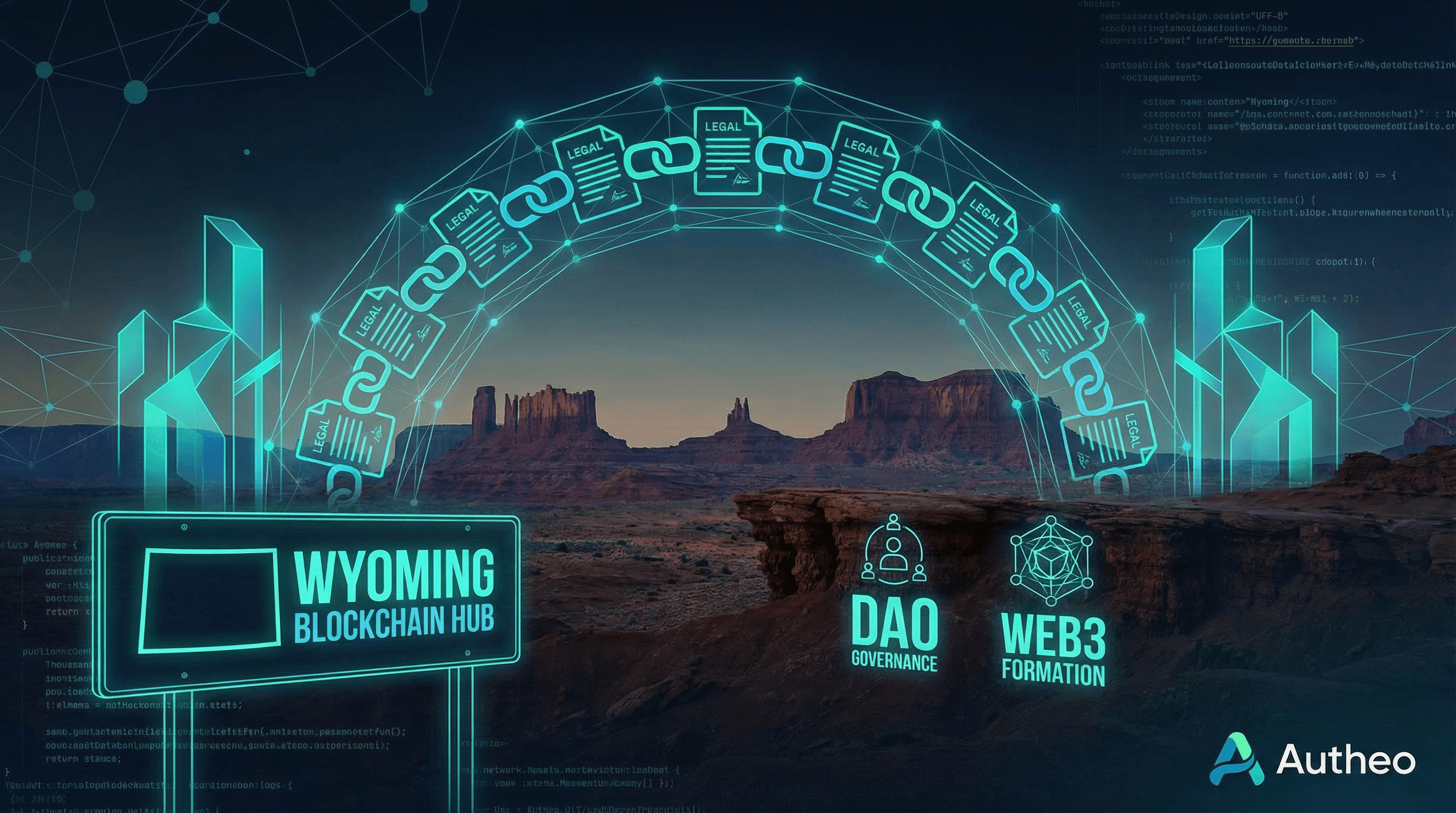
Why Wyoming Is Becoming the Delaware of Web3
Wyoming has passed 30+ blockchain laws since 2018, including the first DAO LLC legislation, DUNA Act (2024), and SPDI banking charter for digital asset custody, creating the most comprehensive Web3 legal framework in the US, with no state income tax on crypto income and unmatched regulatory clarity for blockchain infrastructure companies.
Read more →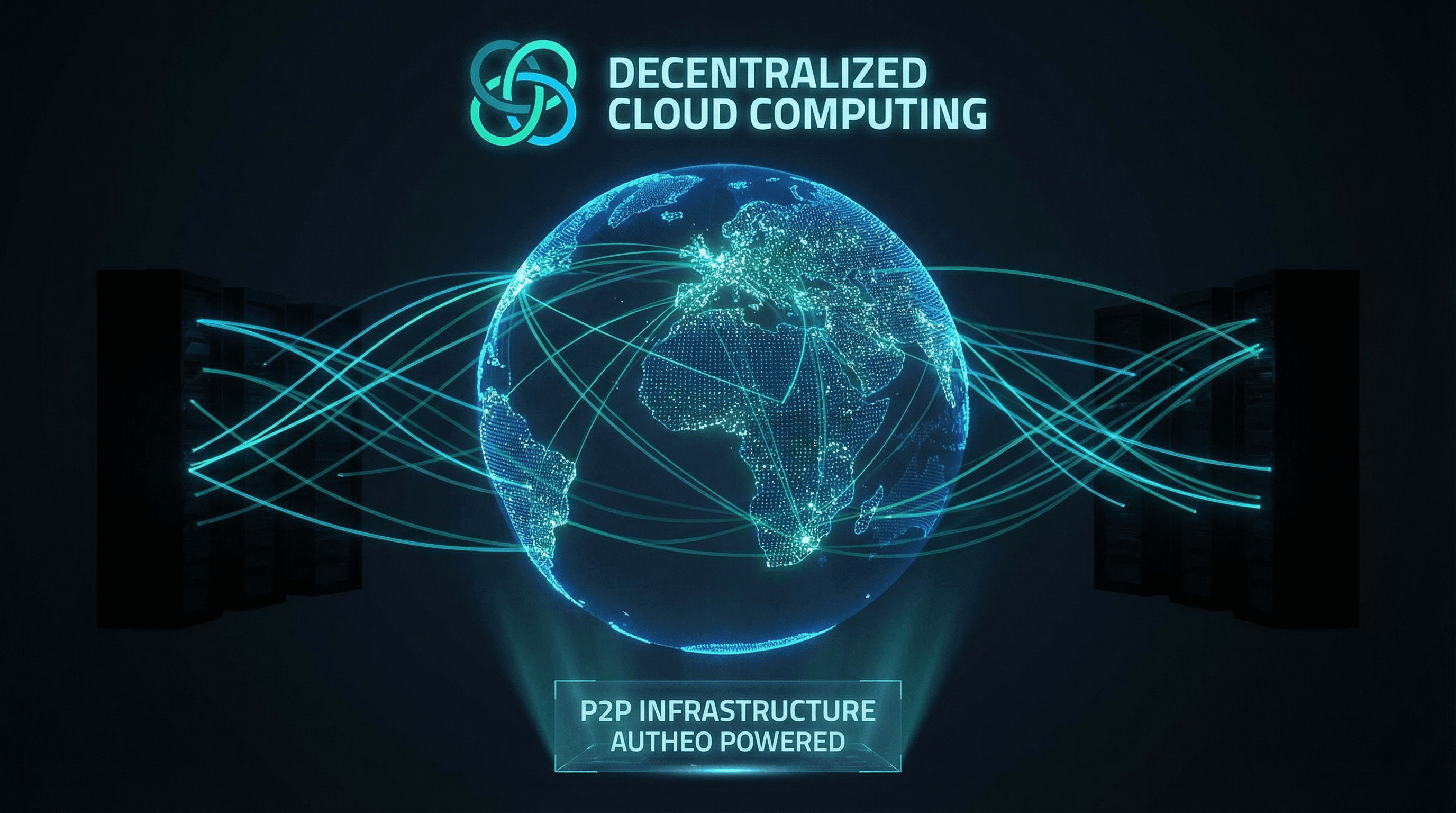
Decentralized Cloud Computing: How It Works and Why It Matters
Decentralized cloud computing replaces AWS/Azure/GCP with community-owned nodes coordinated by blockchain smart contracts, offering 25-85% lower costs for certain workloads, censorship resistance, data sovereignty, and no single point of failure, with Akash reporting 428% YoY GPU growth and Fluence offering servers up to 85% cheaper than AWS.
Read more →What Is the THEO Token? Utility, Tokenomics, and Use Cases
THEO is Autheo's native utility token serving four primary use cases, transaction fees, compute access, storage, and AI inference, backed by a fixed maximum supply, validator emission schedule, and multi-dimensional demand from the full-stack Web3 OS ecosystem. Network stewardship is provided by the Autheo Foundation, a non-profit governed by a board of directors.
Read more →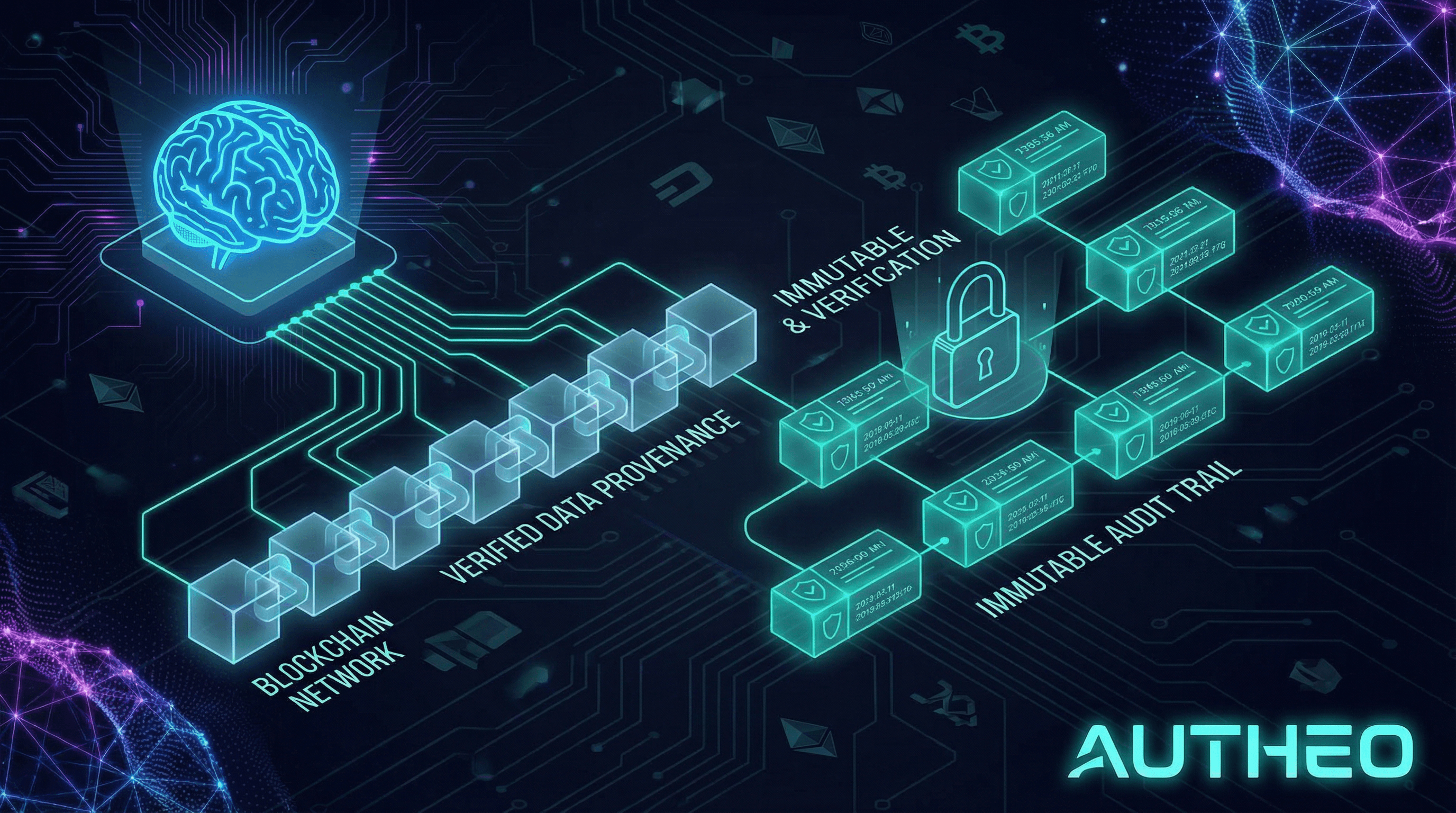
How Blockchain Is Solving AI's Trust Problem
Blockchain solves AI's trust problem by providing immutable audit trails, verifiable data provenance, and tamper-proof records that let organizations prove where training data came from, whether it was altered, and what model made which decision, transforming black-box AI into auditable, accountable systems that regulators and customers can trust.
Read more →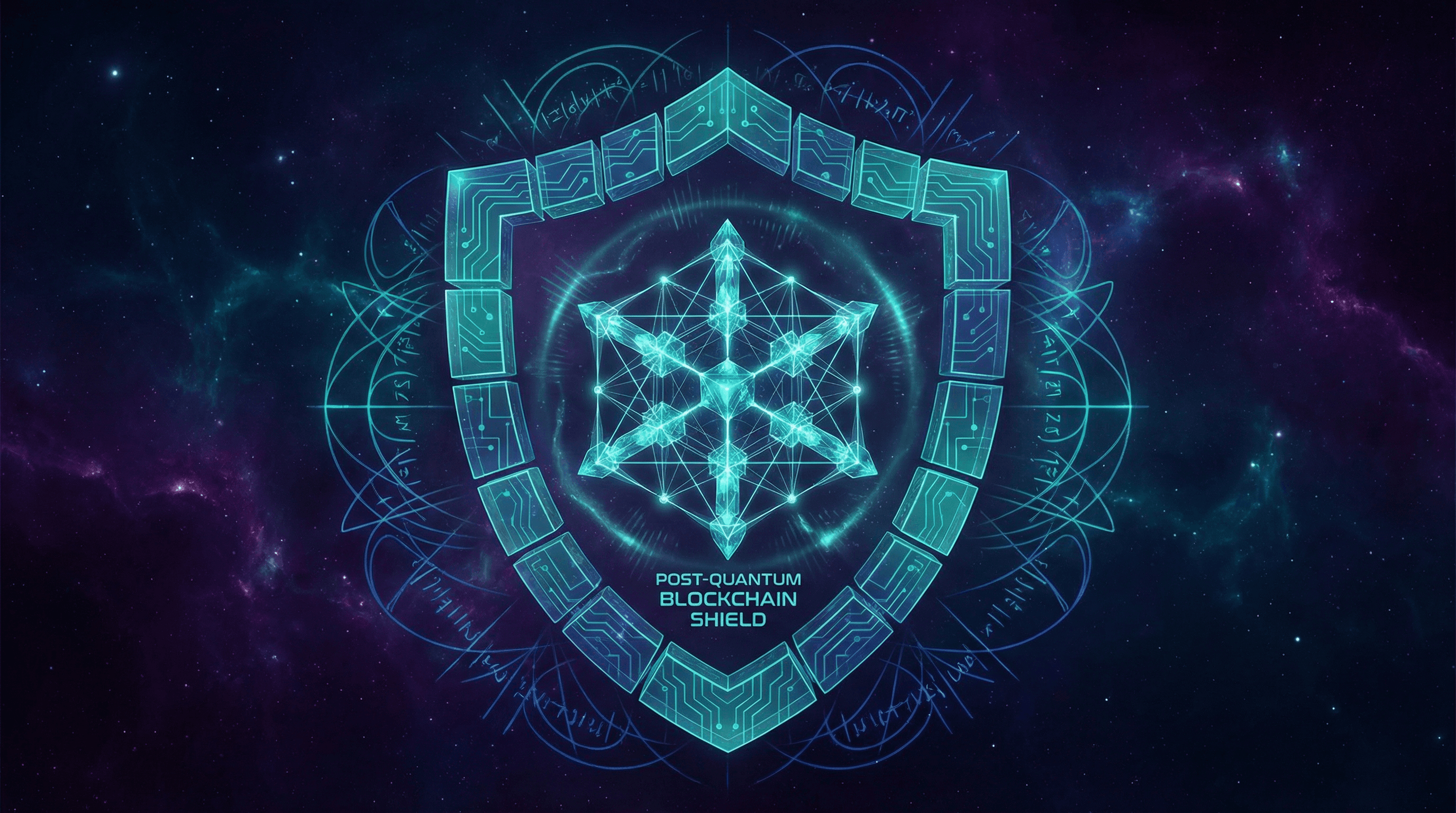
What Is Post-Quantum Cryptography and Why Blockchain Needs It
Google's March 2026 paper shows quantum computers could break blockchain encryption with 20x fewer resources than estimated. Here's what post-quantum cryptography means and why Autheo was built quantum-resistant from day one.
Read more →
Validator Node Economics 2026: Staking ROI by Chain
Compare validator staking rewards, fees, and MEV income across Ethereum, Cosmos, and other major chains in 2026 — plus how Autheo's validator tiers stack up.
Read more →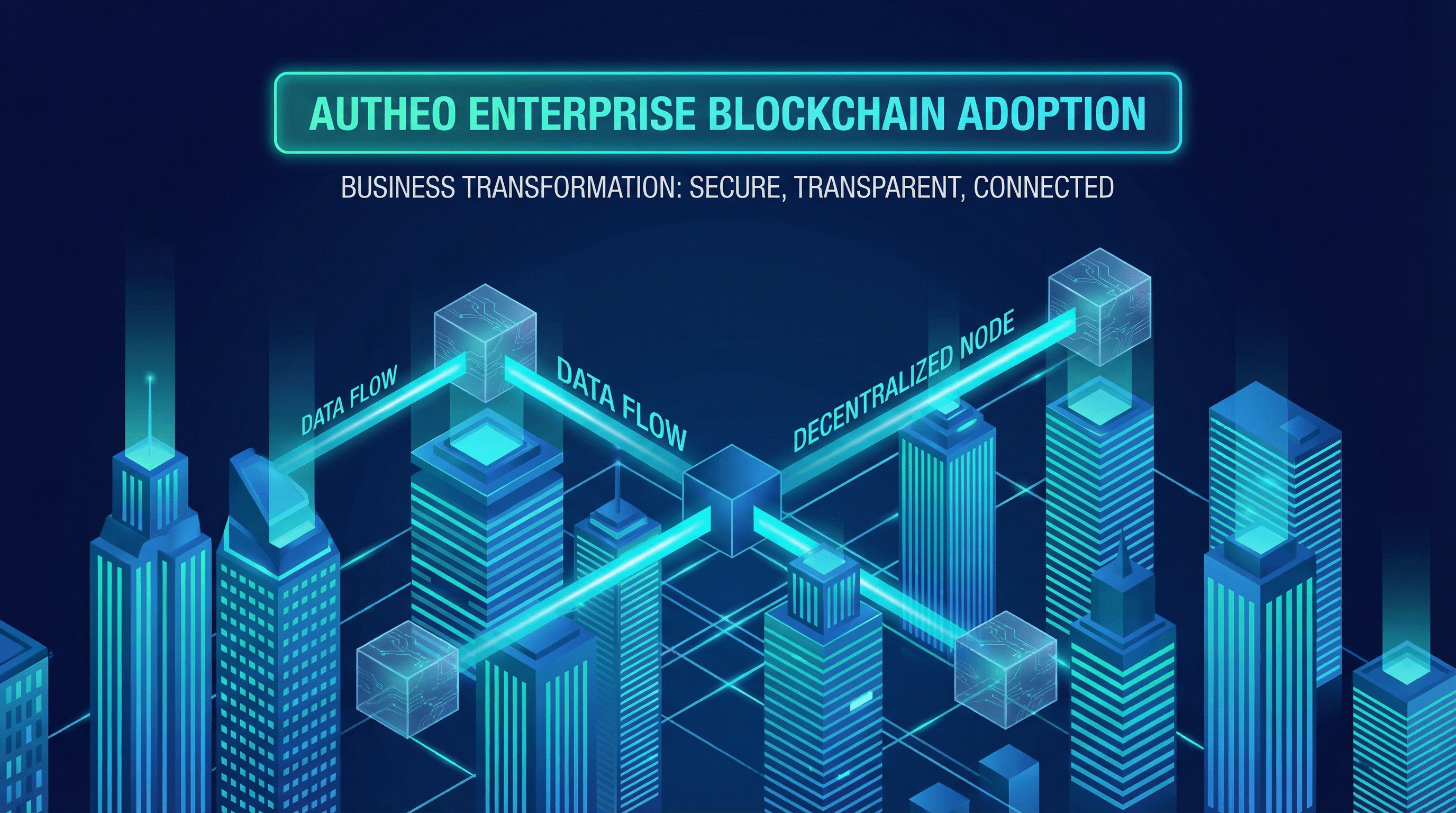
Why Enterprise Blockchain Adoption Is Accelerating in 2026
Enterprise blockchain adoption is accelerating in 2026 driven by regulatory clarity (MiCA, U.S. digital asset guidance), demonstrated ROI (DeFi processed $2T+ in 2025; supply chain reduces counterfeiting by 30%), and technology maturity, with the market projected to grow from $12.77B to $29.29B by 2033.
Read more →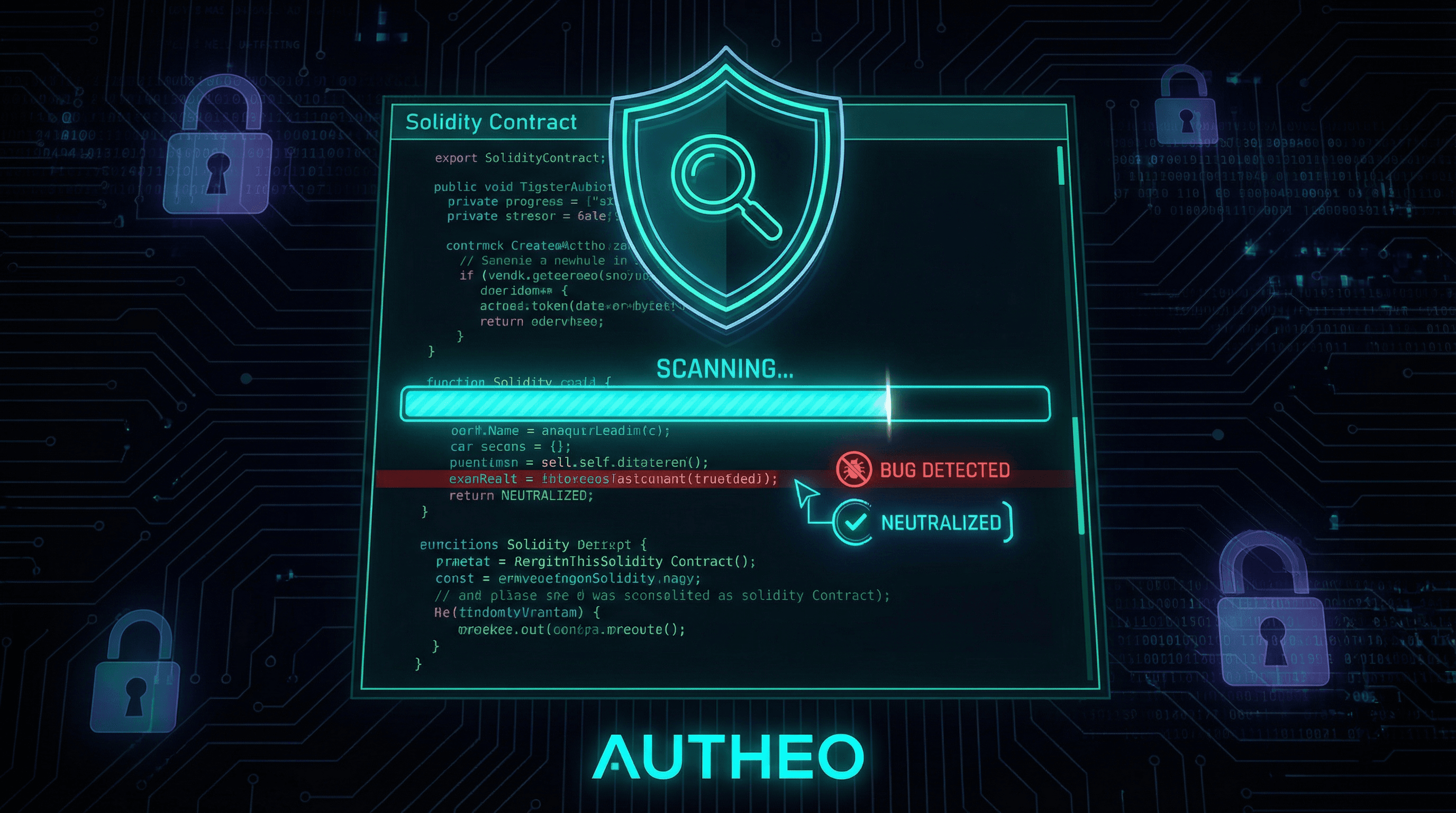
Smart Contract Security Best Practices for 2026
Smart contract security in 2026 demands multi-layered defenses, crypto theft reached $3.4 billion in 2025, access control failures caused $953.2 million in losses, and the OWASP 2026 Top 10 shows most losses trace to preventable patterns: CEI violations, missing access controls, and inadequate input validation.
Read more →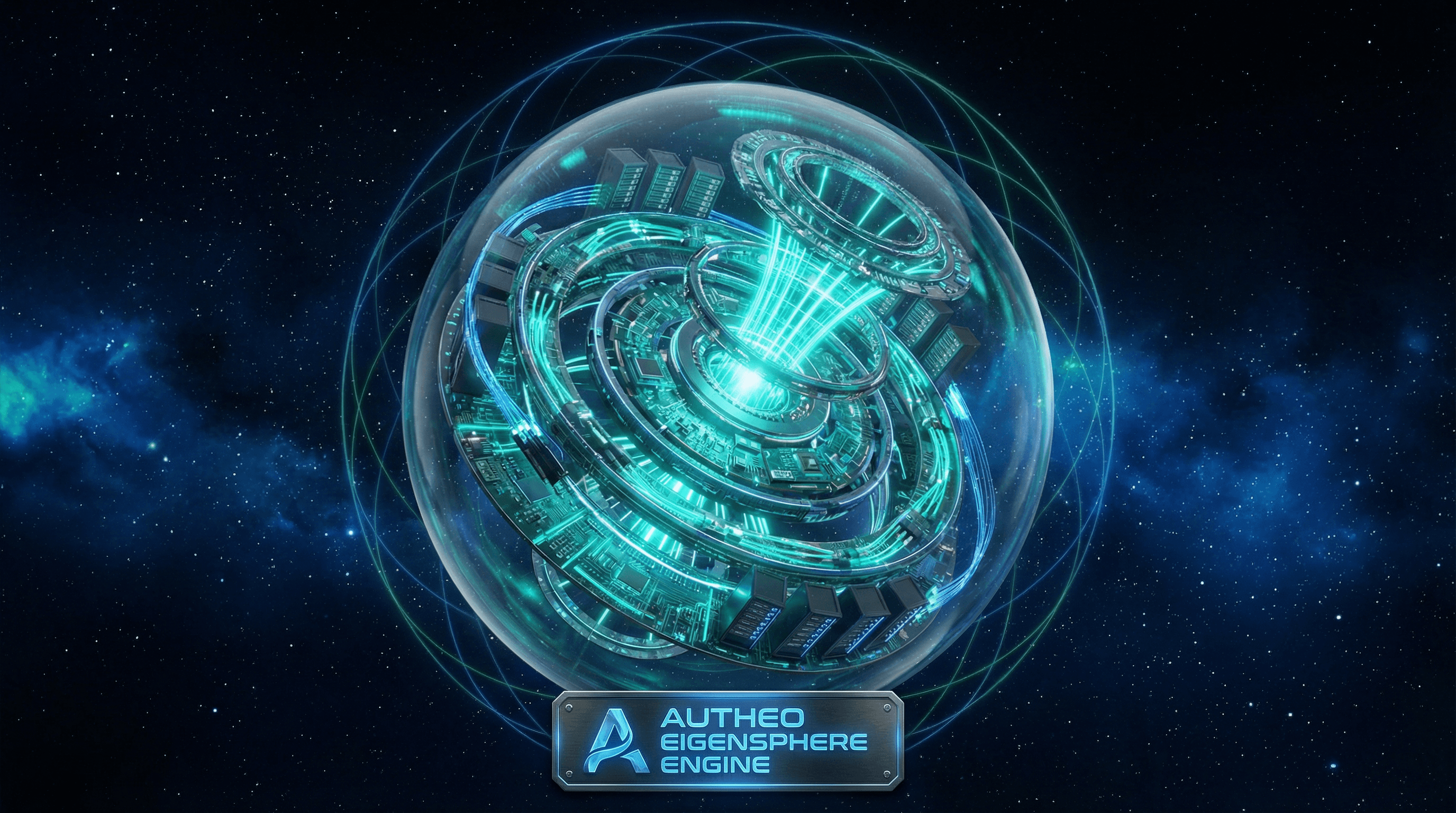
What Powers Autheo's Validator Architecture
The Autheo Eigensphere Engine (AEE) is a quantum-secure, cross-ecosystem runtime that merges consensus (QSDAG), secure execution (QIES Enclaves), AI orchestration (THEO AI), and multi-language smart contracts (GrappLang) into one modular framework, enabling Autheo nodes to process, learn, and adapt rather than simply validate.
Read more →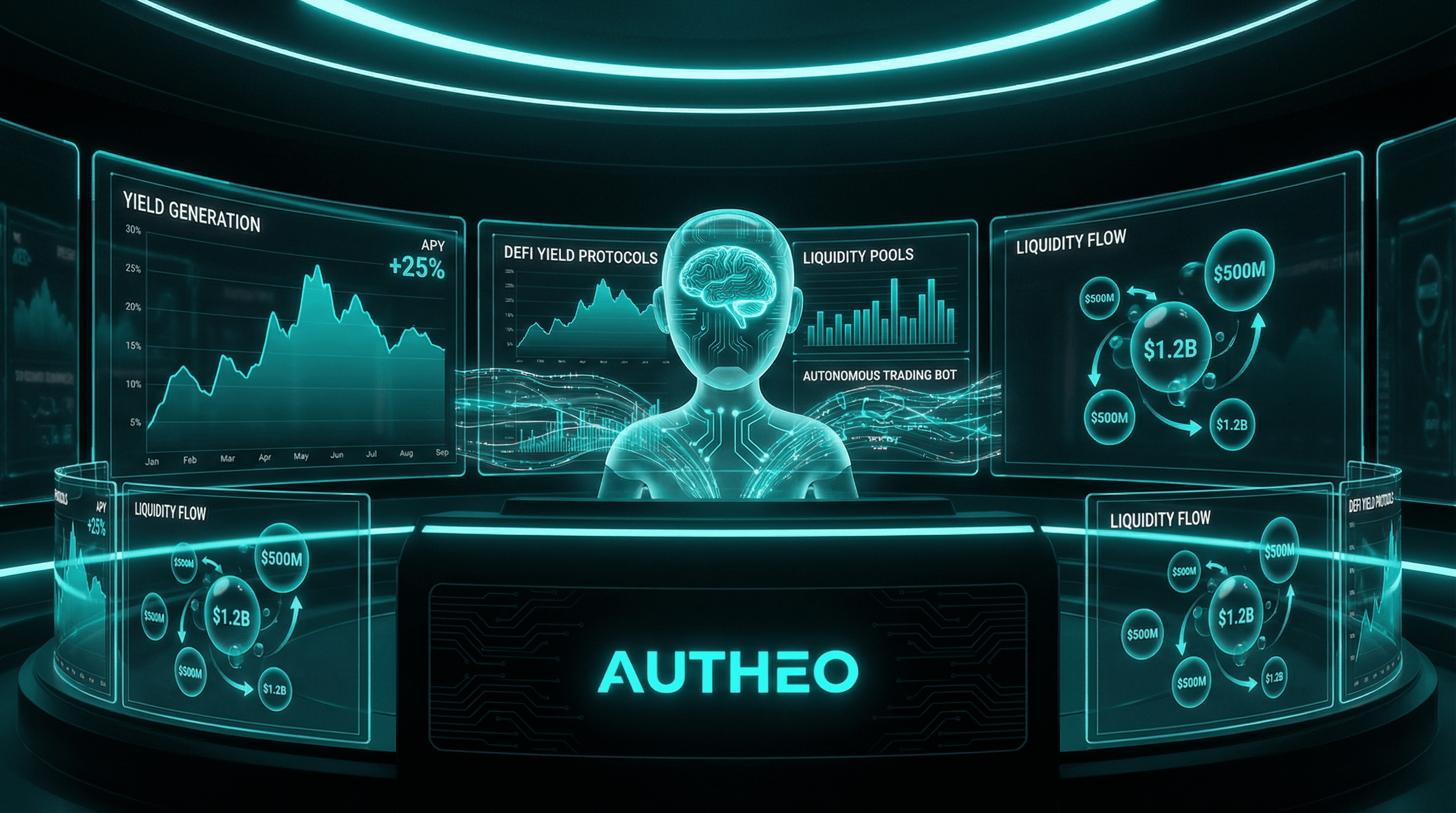
The Rise of AI Agents in DeFi: Autonomous Trading and Beyond
AI agents in DeFi are autonomous software programs managing billions in assets. Arma Agents grew 5,500% in 7 months, stablecoin AI agents crossed $20M TVL on Base by June 2025, signaling that autonomous DeFi participation has moved from experiment to core infrastructure.
Read more →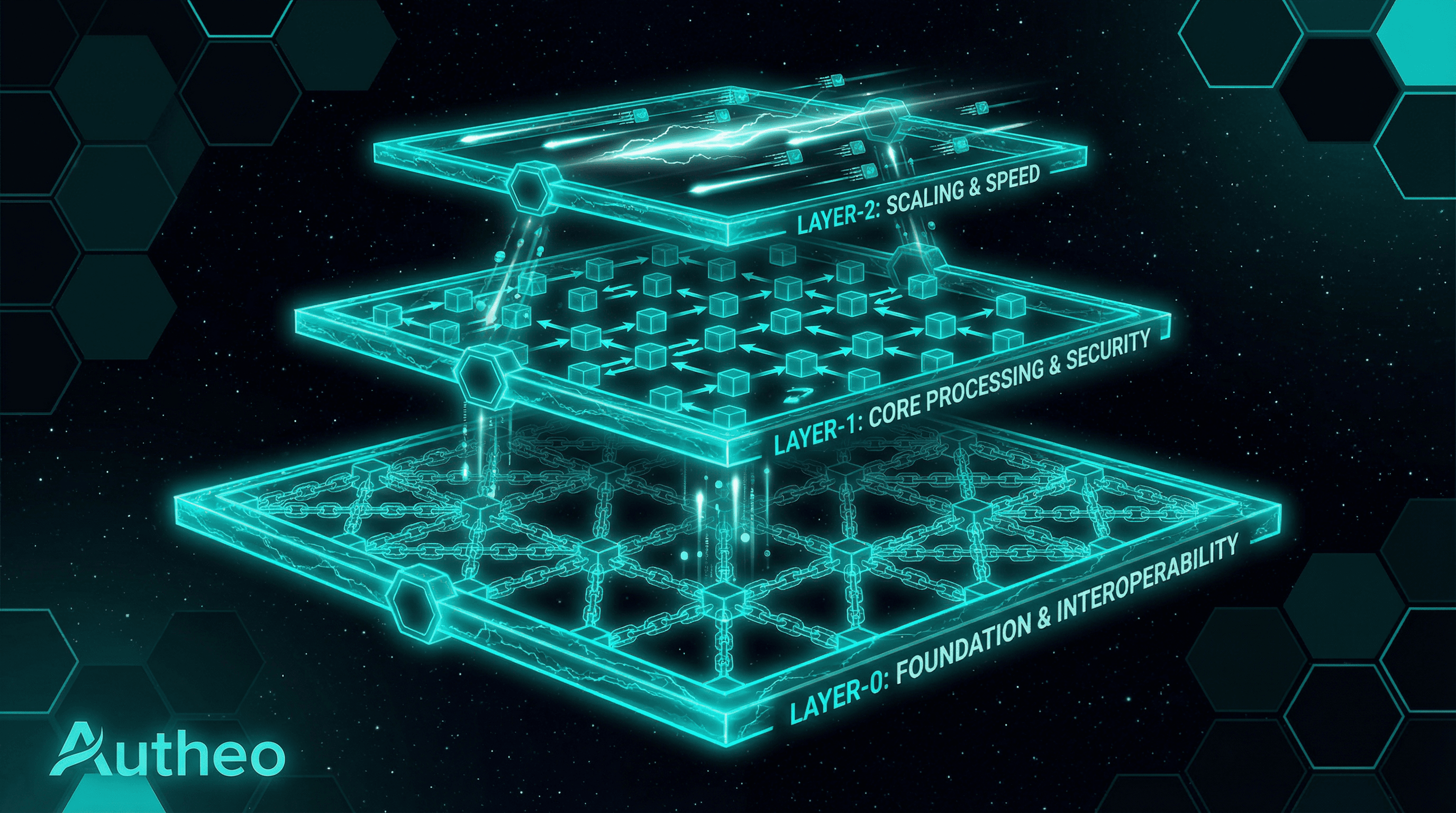
Layer-0 vs Layer-1 vs Layer-2: The Complete Comparison Guide
Layer-0 provides cross-chain interoperability infrastructure, Layer-1 is the core execution and settlement blockchain, and Layer-2 scales Layer-1 by processing transactions off-chain, understanding which layer solves your specific problem is the most important architectural decision in Web3 development.
Read more →
How 100+ Co-Founders Across 25 Countries Built Autheo
Autheo was built by over 100 equity co-founders from 25+ countries over 4.5 years, using a novel vesting equity model that shares ownership with builders instead of institutional investors, assembling deep expertise across blockchain, AI, cybersecurity, finance, and enterprise operations without diluting to venture capital.
Read more →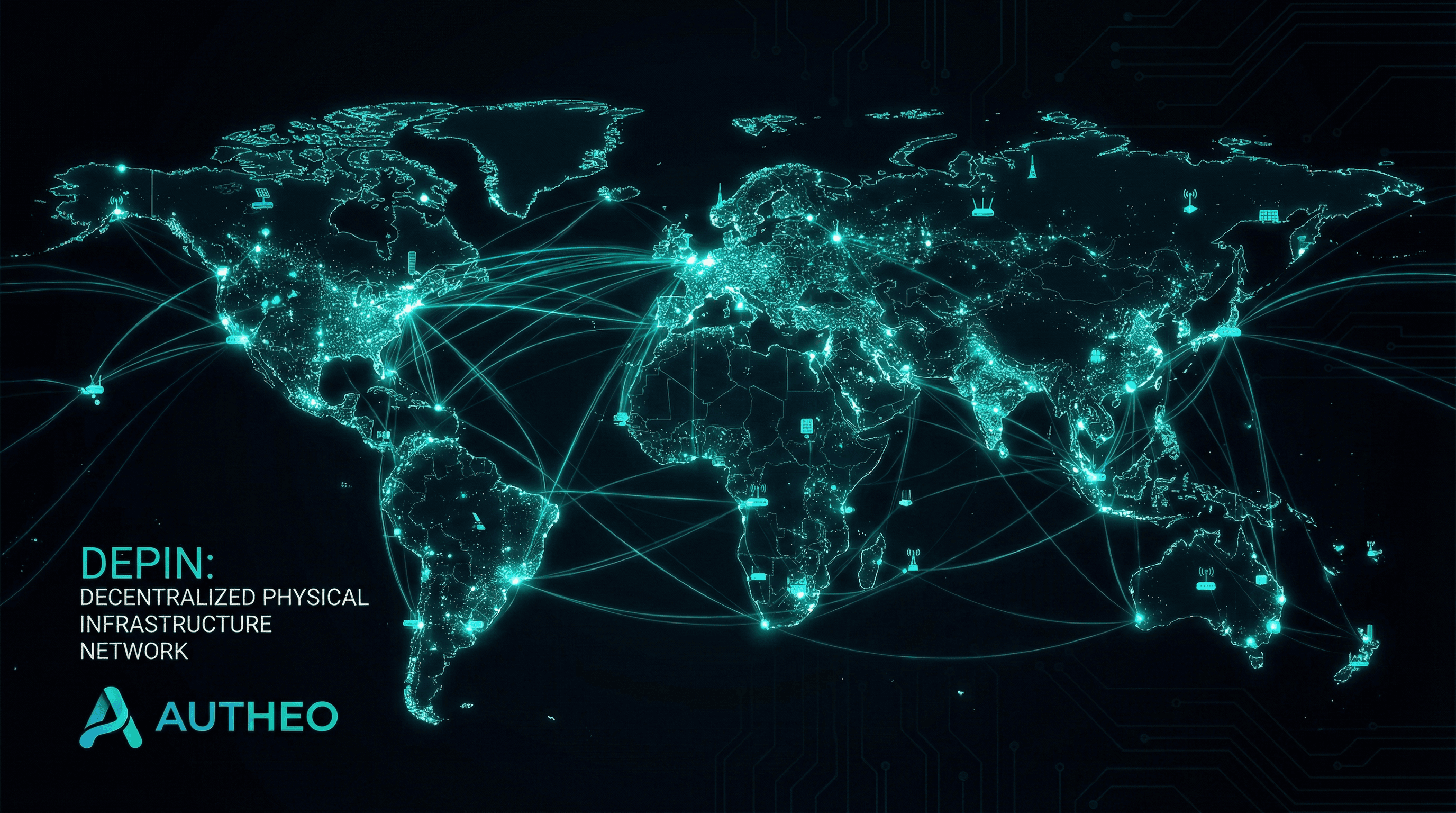
DePIN Explained: The Future of Decentralized Infrastructure
DePIN (Decentralized Physical Infrastructure Networks) uses blockchain token incentives to coordinate real-world hardware contributed by individuals, replacing corporate-owned servers, wireless towers, and data centers with community-powered alternatives that generated $150M in monthly on-chain revenue in early 2026.
Read more →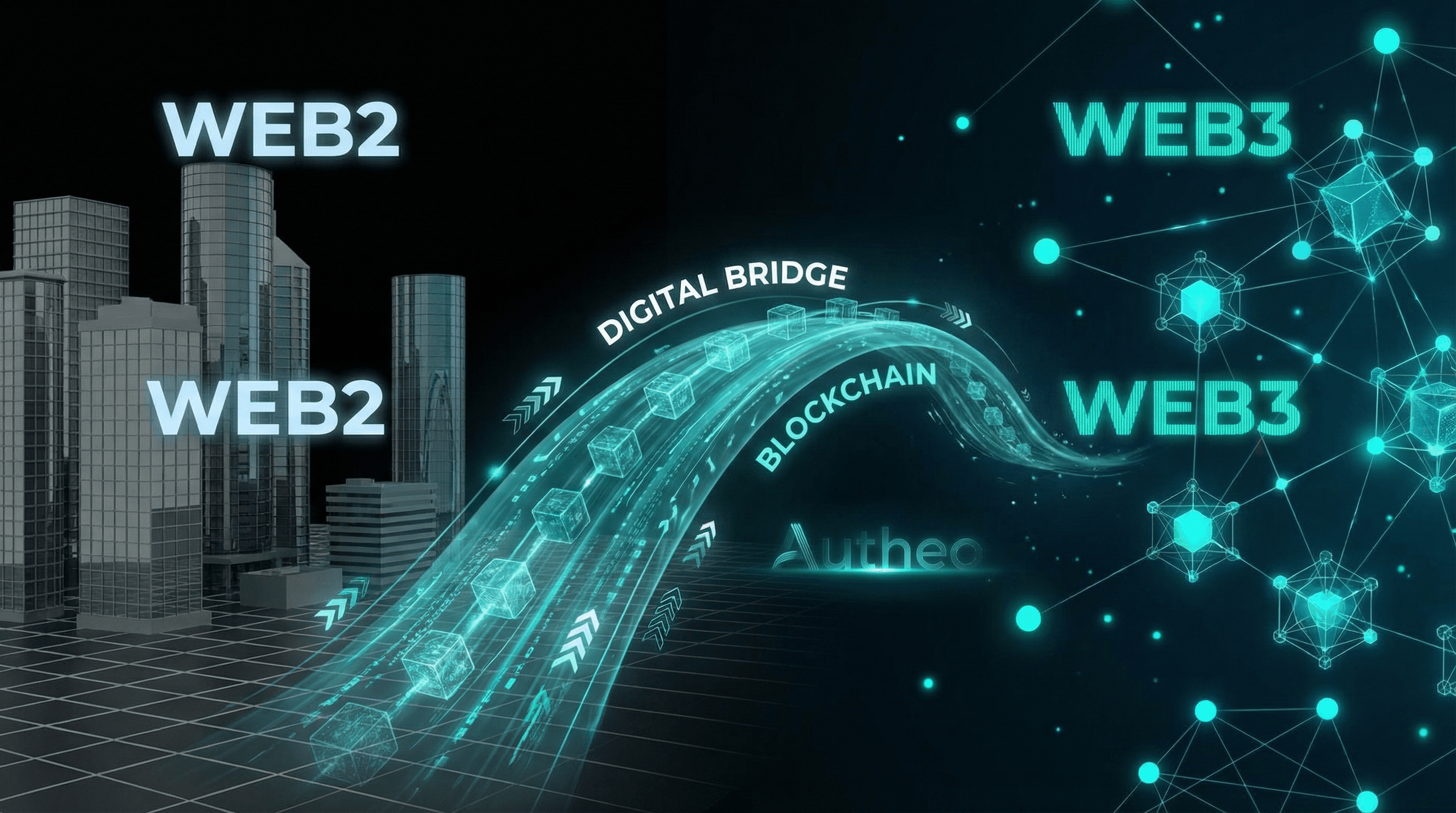
How Autheo Bridges Web2 and Web3 Without Fragmentation
Autheo bridges Web2 and Web3 by providing a unified infrastructure layer with incremental adoption paths, letting enterprises add tokenized rewards, decentralized storage, and on-chain identity to existing platforms without rebuilding their entire technology stack.
Read more →
Getting Started: Deploy Your First Smart Contract on Autheo
Deploying your first smart contract on Autheo uses standard EVM tooling, Solidity, Hardhat, and MetaMask, with the same workflow as Ethereum, while giving you immediate access to Autheo's integrated AI, compute, storage, and decentralized identity features from day one.
Read more →
The State of Web3 Infrastructure in 2026
Web3 infrastructure in 2026 has entered a definitive maturity phase, generating multi-billion revenues, supporting enterprise production deployments, and converging with AI, marked by modular architecture, cross-chain interoperability, and institutional adoption at unprecedented scale.
Read more →
What Is Autheo? The Complete Guide to the Collective and Living OS
Autheo is a Layer-0 Operating System with an integrated Layer-1 blockchain, combining interoperability, AI orchestration, decentralized compute, post-quantum identity, and developer tooling into a single unified platform for the Living Internet.
Read more →
How AI Agents Are Transforming Blockchain Operations
AI agents are autonomous software programs that can now hold blockchain wallets, execute smart contracts, manage DeFi positions, and run compliance workflows without human intervention, fundamentally transforming how blockchain operations work in 2026.
Read more →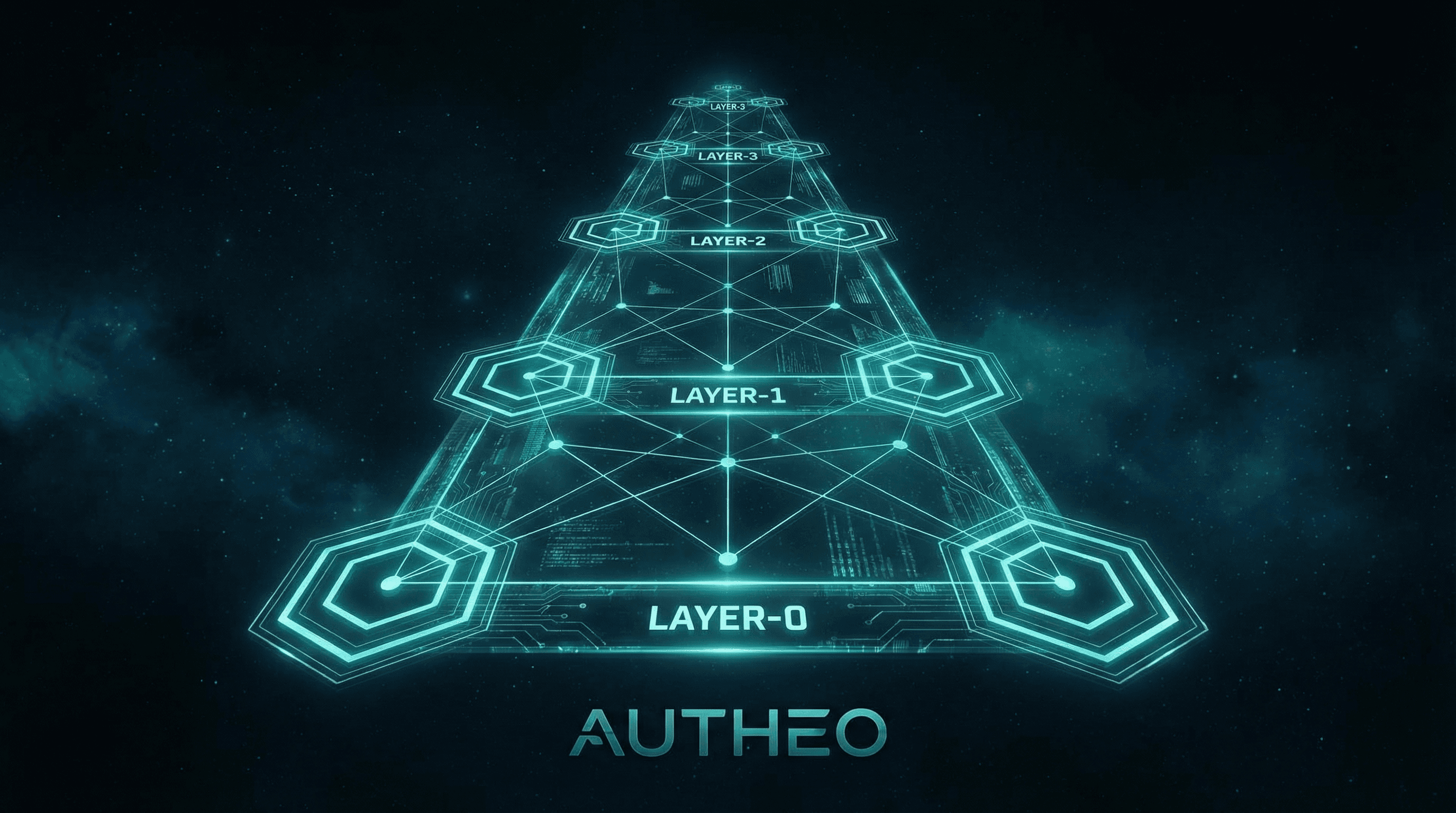
What Is a Layer-0 Blockchain? Everything You Need to Know
A Layer-0 blockchain is the foundational infrastructure layer that enables multiple independent blockchains to interoperate, exchange value, and share security, the TCP/IP of the blockchain world.
Read more →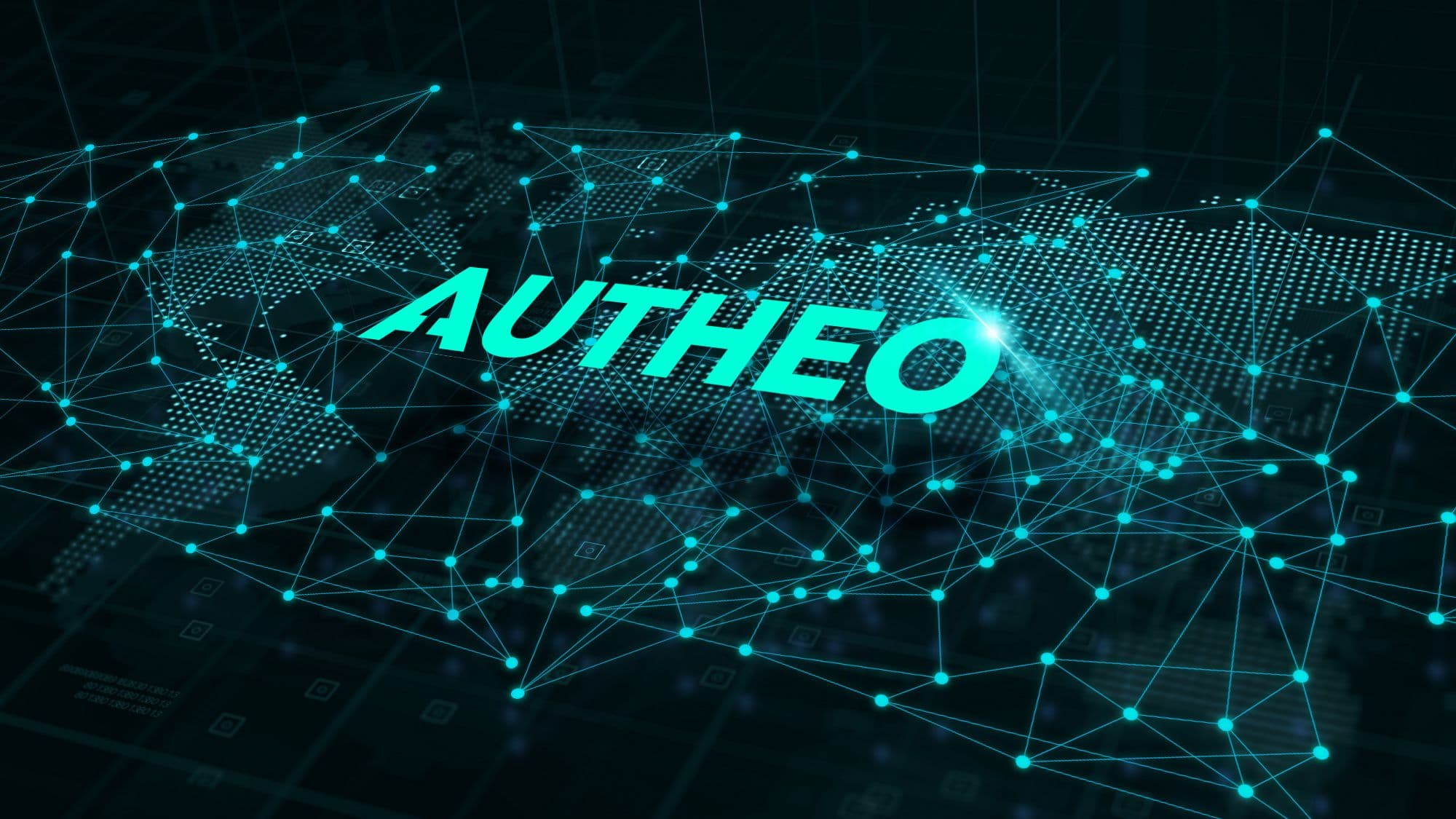
Introduction to Autheo: Building the Living Internet
The internet is being rebuilt, not replaced, but re-rooted into something dynamic: the Living Internet.
Read more →
What Are Autheo Validator Nodes
Most blockchains sell you technology. Autheo invites you to help cultivate a self-evolving foundational infrastructure, a living operating system.
Read more →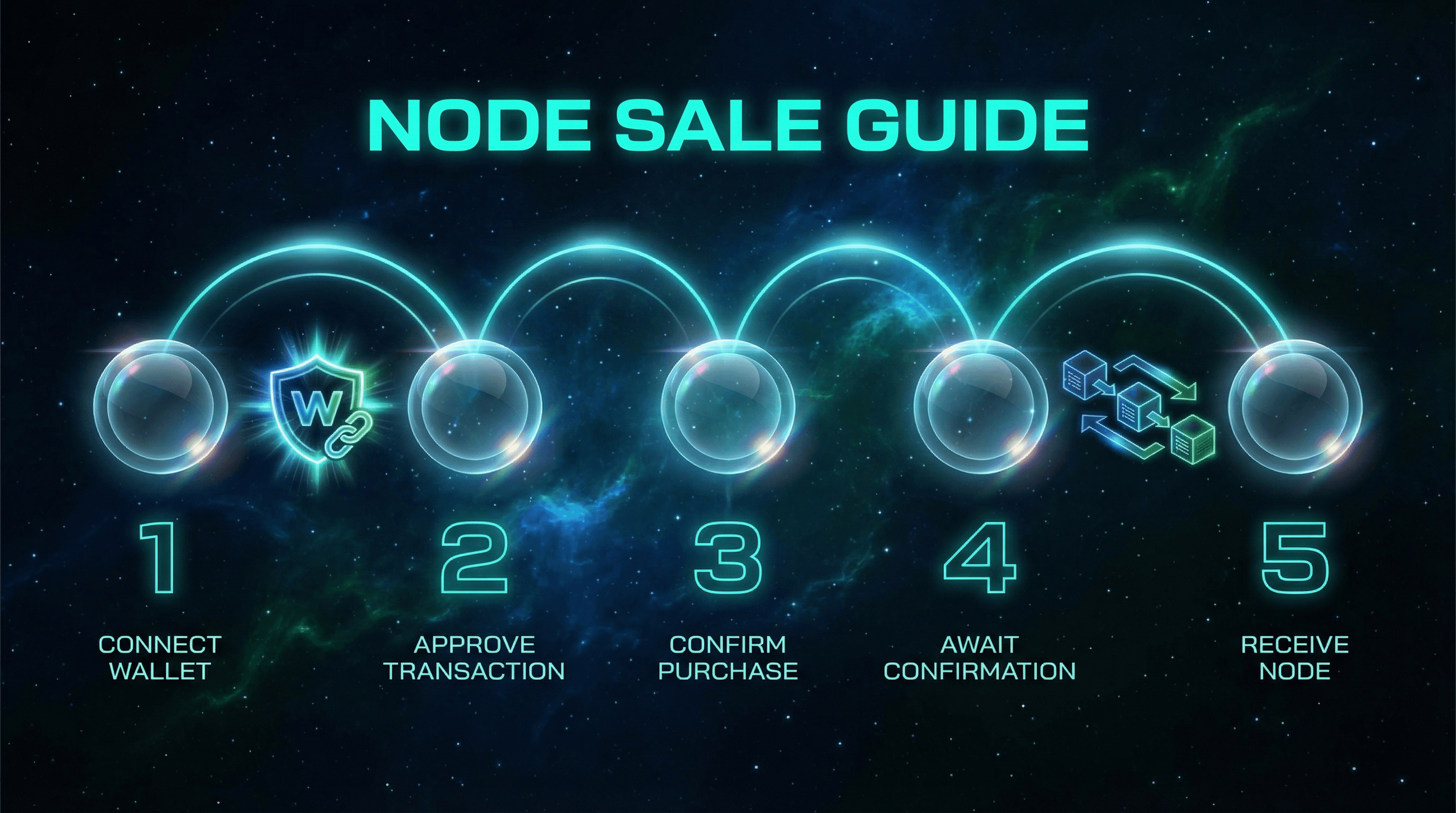
Autheo Node Sale and Purchase Guide
A step-by-step guide to Autheo's Node Sale. Learn how validator nodes work and how to participate.
Read more →
Using the Ethereum Virtual Machine (EVM) on Autheo
Autheo is fully EVM-compatible, bridging Ethereum projects and the Cosmos architecture.
Read more →
Why Developers Are Excited to Build on Autheo
Autheo provides developers with a robust, flexible and adaptable blockchain environment.
Read more →
Autheo Node Sale Is Live
Autheo's Validator Node Sale is officially live. Secure a stake in the the Collective and Living OS.
Read more →