



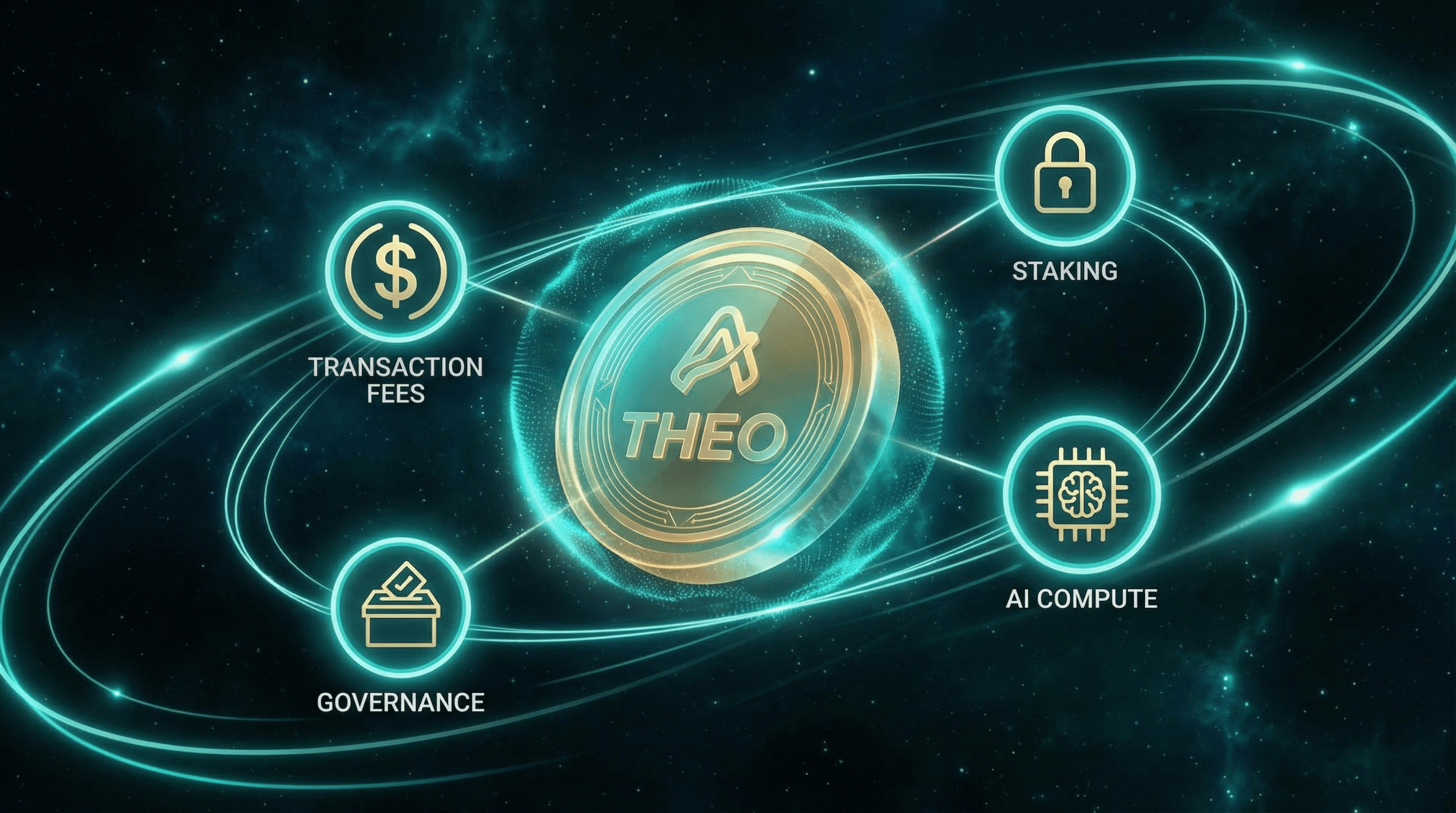
What Is the THEO Token? Utility, Tokenomics, and Use Cases
THEO is Autheo's native utility token serving four primary use cases, transaction fees, compute access, storage, and AI inference, backed by a fixed maximum supply, validator emission schedule, and multi-dimensional demand from the full-stack Web3 OS ecosystem. Network stewardship is provided by the Autheo Foundation, a non-profit governed by a board of directors.
Read more →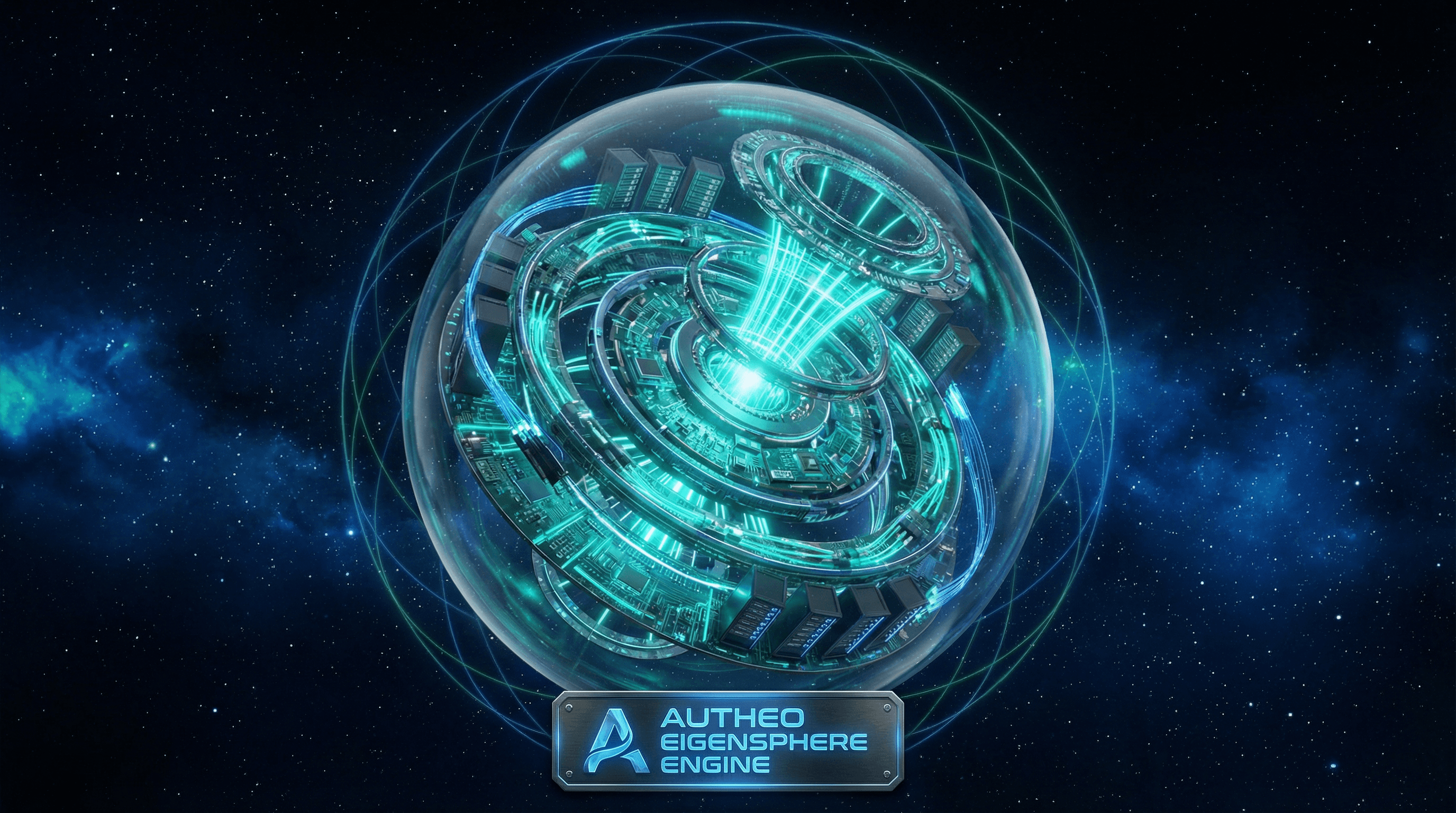
How Autheo's Eigensphere Engine Works
The Autheo Eigensphere Engine (AEE) is a quantum-secure, cross-ecosystem runtime that merges consensus (QSDAG), secure execution (QIES Enclaves), AI orchestration (THEO AI), and multi-language smart contracts (GrappLang) into one modular framework, enabling Autheo nodes to process, learn, and adapt rather than simply validate.
Read more →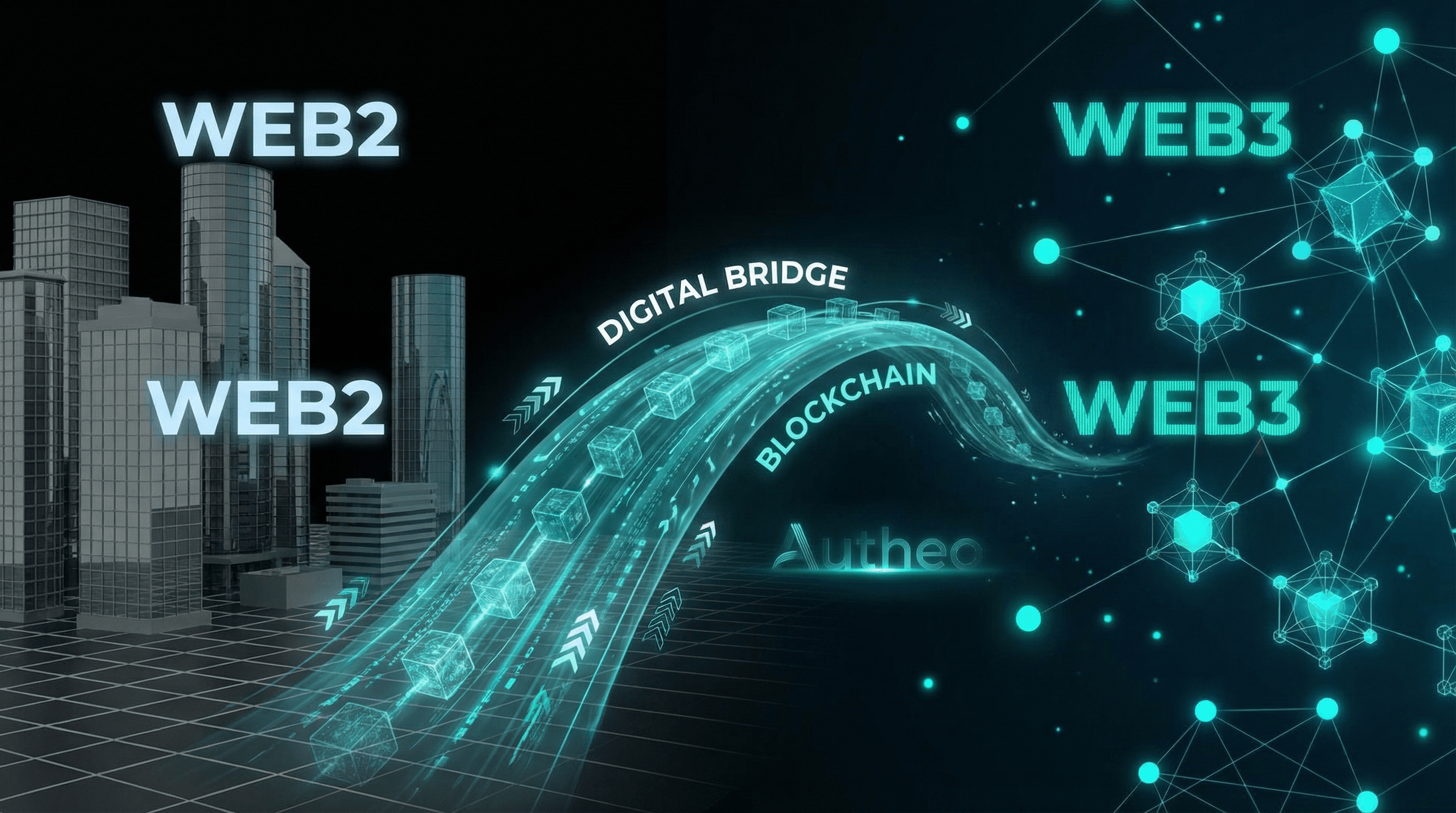
How Autheo Bridges Web2 and Web3 Without Fragmentation
Autheo bridges Web2 and Web3 by providing a unified infrastructure layer with incremental adoption paths, letting enterprises add tokenized rewards, decentralized storage, and on-chain identity to existing platforms without rebuilding their entire technology stack.
Read more →
What Is Autheo? The Complete Guide to the Collective and Living OS
Autheo is a Layer-0 Operating System with an integrated Layer-1 blockchain, combining interoperability, AI orchestration, decentralized compute, post-quantum identity, and developer tooling into a single unified platform for the Living Internet.
Read more →
Introduction to Autheo: Building the Living Internet
The internet is being rebuilt, not replaced, but re-rooted into something dynamic: the Living Internet.
Read more →
Using the Ethereum Virtual Machine (EVM) on Autheo
Autheo is fully EVM-compatible, bridging Ethereum projects and the Cosmos architecture.
Read more →
Why Developers Are Excited to Build on Autheo
Autheo provides developers with a robust, flexible and adaptable blockchain environment.
Read more →